

Lorikeet Food Guide: Wet Mix, Dry Mix and Nectar Pellets
Get our free Pet Care Starter Checklist
A printable checklist for dogs and cats, plus practical care tips and new arrivals by email.
No spam. Unsubscribe anytime. | Or see our monthly pet box →
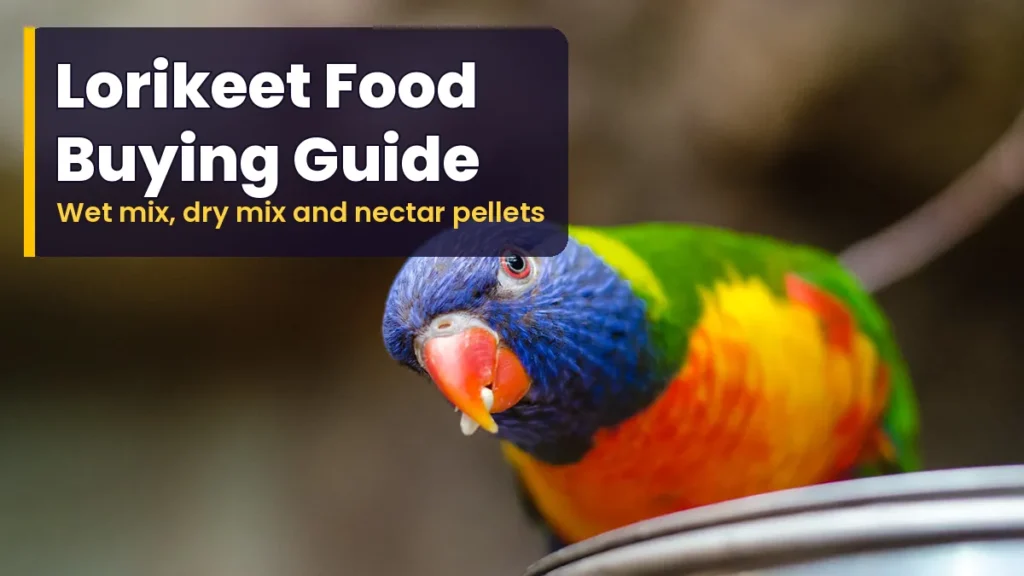
Lorikeet food is different from parrot food. Lorikeets are nectar feeders, so their diet should be built on a commercial wet or dry lorikeet mix, not seed. This guide compares the lorikeet foods we stock in Australia. It explains wet mix, dry mix and nectar pellets, and covers fruit, hygiene and how much to feed.
Key takeaways
- Lorikeet food comes in three main forms: wet nectar mixes, dry mixes and nectar pellets. Seed should not be the main diet.
- RSPCA Australia says the diet should include a high-quality commercial lorikeet mix, fruit and native browse.
- Feed small amounts. RSPCA Australia suggests about one dessert spoon of commercial lorikeet diet per day, plus low-GI fruit and vegetables.
- Replace food twice a day, place it up high in the cage and wash dishes daily in hot, soapy water.
- Always give fresh water, especially on a dry mix, and a source of calcium such as shell grit or a cuttlebone.
Quick comparison table
Choosing the right lorikeet food starts with the form. The table below compares the three lorikeet foods we stock: how each one is fed, the pack sizes on our site and who it suits. Each product page has the full feeding guide, so always check the pack before you change your bird’s diet.
| Product | Form | How you feed it | Pack sizes we stock | Good for |
|---|---|---|---|---|
| Vetafarm Nectar Pellets | Extruded pellets | Served dry, with fresh water always available | 350g, 2kg | Indoor lorikeets and owners who want less sticky mess |
| Passwell Complete Lorikeet | Granular powder | Dry from the pack, or mixed with water into a soft paste | 500g, 1kg, 5kg, 20kg | Owners who want one food that works wet or dry |
| Wombaroo Lorikeet & Honeyeater Food | Powder | Mixed with water into a liquid nectar | 300g, 1.5kg, 4.5kg, 9kg | Owners who want a wet nectar diet |
1. Vetafarm Nectar Pellets
Vetafarm Nectar Pellets are a balanced pellet diet made for lorikeets and lories. The pellets are based on the nectar and pollen these birds eat in the wild. They are easy to measure and serve, and the maker says they suit both aviary birds and indoor companion birds.
The formula includes added psyllium husk, and Vetafarm says this helps make droppings firmer, which means less mess around the cage. VCA Animal Hospitals also notes that lories and lorikeets tend to have firmer stools on a pelleted diet.
Key points for Vetafarm Nectar Pellets:
- Fed dry as the main diet, so there is no daily mixing
- Less sticky spillage than liquid nectar
- Easy portion control for steady daily feeding
- Comes in 350g and 2kg packs
Two things to plan for. Birds used to liquid nectar or fruit may need time to switch, and the feeding guide says to introduce the pellets gradually. Your lorikeet also needs fresh fruit, vegetables and clean water available, and any uneaten food should be removed daily.
Verdict: A simple, tidy choice for indoor lorikeets and owners who want less mess.
2. Passwell Complete Lorikeet
Passwell Complete Lorikeet is a granular powder made as a complete and balanced lorikeet diet. Its main strength is choice: you can serve it dry, straight from the pack, or add water to make a soft paste. That makes it easy to try both styles and see which one your bird prefers.
If you feed it wet, remove any uneaten wet food each day to keep the dish clean. If you feed it dry, make sure fresh water is always close by. Piper Street Veterinary Clinic explains that lorikeets on a dry diet need to dip their tongue in water after eating.
Pros:
- One product that works as a dry mix or a wet mix
- Simple to prepare: a clean dish for dry, or water for a paste
- Wide range of pack sizes, from 500g up to 20kg for aviaries
Cons:
- The wet form needs mixing and fresh portions
- Larger bags take up space and need to be kept dry
Passwell Complete Lorikeet suits owners who want one food they can feed either way. Pair it with fruit and native browse, as the RSPCA Australia suggests, rather than feeding the mix on its own.
Verdict: A flexible everyday food for owners who want both wet and dry options in one bag.
3. Wombaroo Lorikeet & Honeyeater Food
Wombaroo Lorikeet & Honeyeater Food is a powder that mixes with water into a smooth liquid nectar. It is made to copy the nectar, pollen and fruit diet of nectar-feeding birds. Lorikeets collect food with brush-tipped tongues, and a liquid nectar suits the way they naturally feed.
You mix it fresh, offer fresh portions daily and remove what is left. The feeding guide also says prepared nectar can be frozen in small portions and thawed when needed. UQ Vets suggests a similar idea for enrichment: freeze ice cubes of lorikeet mix as a summer snack.
Key strengths of this product include:
- Liquid nectar that suits the lorikeet’s brush-tipped tongue
- Can be frozen in small portions once mixed
- Four pack sizes, from 300g to 9kg
Two limits stand out. First, you need to mix it fresh, which takes a few minutes. Second, nectar spoils fast once mixed. VCA Animal Hospitals says to mix nectar fresh, in small amounts, and offer it at least twice a day. Its high sugar content makes it spoil quickly.
Verdict: A good pick for owners who want a classic wet nectar and can mix it fresh each day.
Wet mix, dry mix or pellets: pros and cons
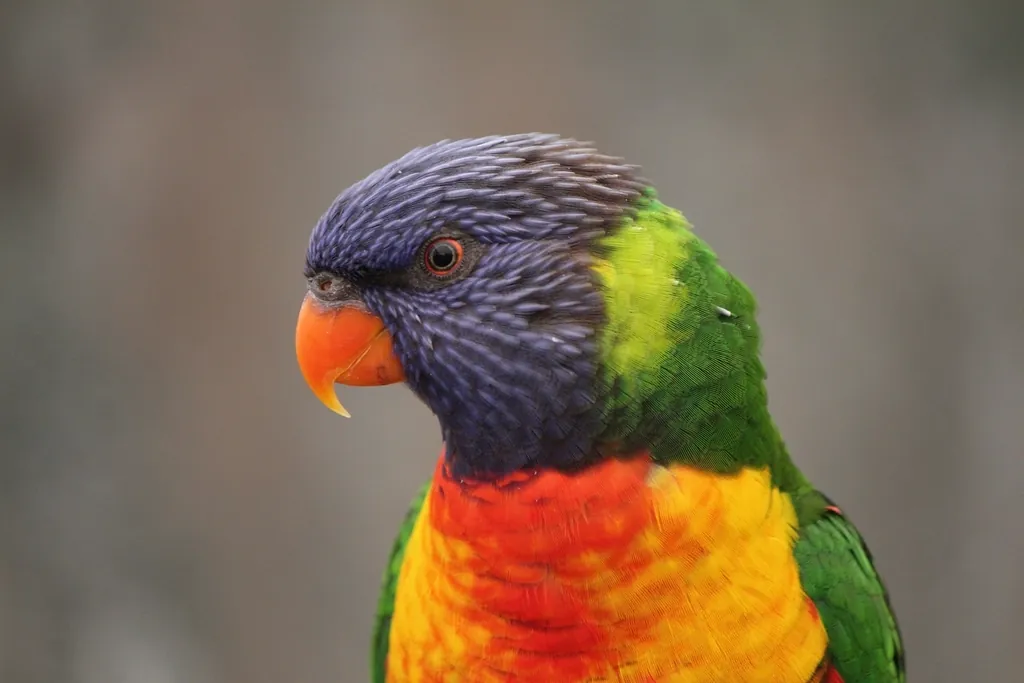
Choosing the right lorikeet food means weighing up mess, time and your bird’s habits. Wet nectar is close to the natural diet, but it spoils fast. Dry mixes and pellets last longer in the bowl. They need fresh water nearby. Many owners use more than one form, and a vet can help you decide.
| Form | Pros | Cons |
|---|---|---|
| Wet nectar mix | Close to natural nectar; easy for brush-tipped tongues | Spoils quickly once mixed; must be replaced often |
| Dry mix | No mixing; easy to store | Fresh water must always be close by |
| Nectar pellets | Firmer droppings and less sticky mess | Birds used to nectar may need a slow switch |
VCA Animal Hospitals adds that lories and lorikeets can be kept well on several commercial pelleted diets. Piper Street Veterinary Clinic says both may be provided at one time to give your bird a choice, as long as at least one is always available.
What to look for when buying lorikeet food
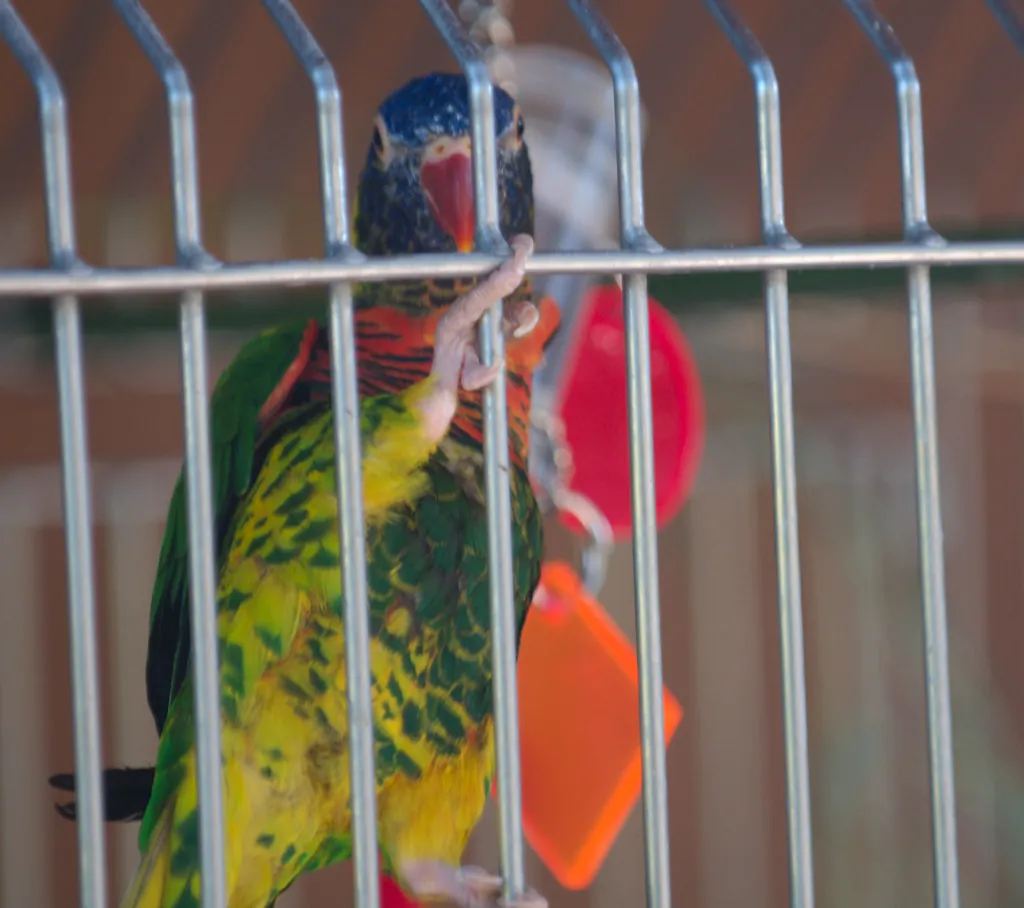
Lorikeets are nectar feeders in the wild, so your choice should match their natural diet of pollen, nectar and fruit. The RSPCA Australia is clear that lorikeets feed on pollen, nectar and fruit, not seed. Look for a food made for lorikeets, then think about form, pack size and how much time you have.
Lorikeets feed on pollen, nectar, and fruit; not seed. It is important to feed the correct diet, to prevent serious health problems.
RSPCA Australia, How should I care for my lorikeet?
Consider these key buying factors:
- Made for lorikeets. Choose a lorikeet or nectar diet, not a parrot seed mix.
- Form. Wet nectar, dry mix or pellets. Pick the one that suits your bird and your routine.
- Pack size. One pet bird uses far less than an aviary. A small pack stays fresher.
- Feeding guide. Read the pack for how to prepare it and how much to give.
- Bowls. Use dishes you can wash every day. A fixed stainless steel coop cup can be hung up high in the cage.
Fruit, native browse and calcium
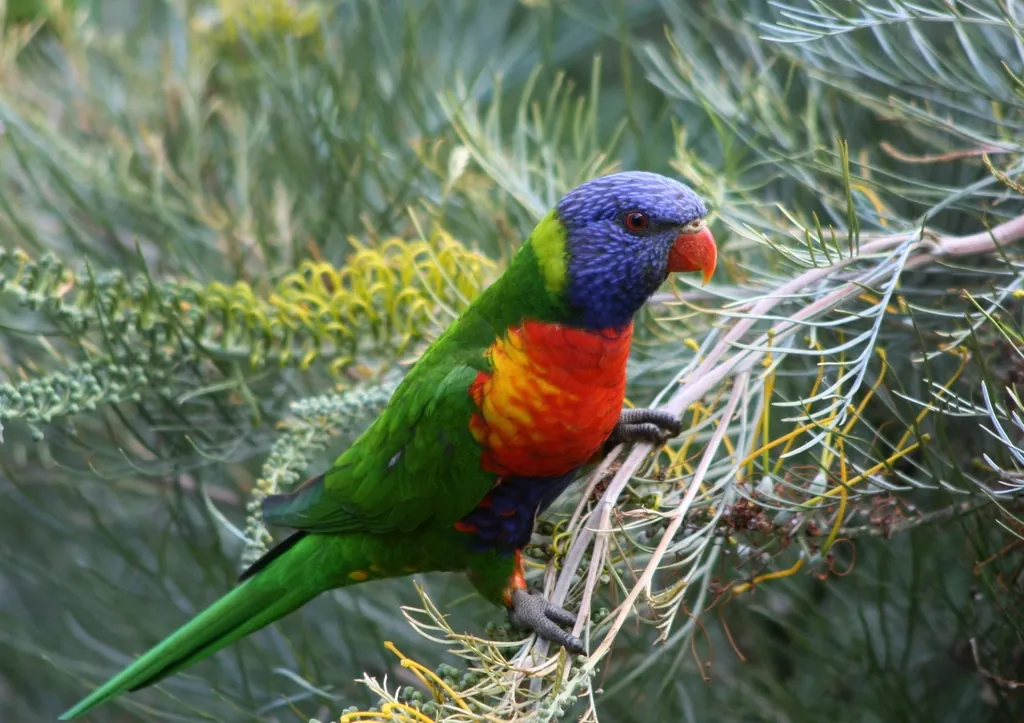
A commercial lorikeet mix is the base, but it is not the whole diet. The RSPCA Australia says to add fruit and native browse every day. Its fruit list includes apple, pear, grapes, melon, pawpaw and orange, and flowering cuttings from bottlebrush, eucalyptus, grevillea and banksia should be given daily.
Keep fruit to small amounts. A second RSPCA Australia page notes that all fruit is high in sugar and that low-GI fruits such as apples, pears, peaches and plums are better choices. It warns that lorikeets in captivity fed a high-sugar wild-type diet are likely to gain weight.
Lorikeets are a special case. For most pet birds, the RSPCA Australia says avian vets recommend a diet of about 60% formulated food and 40% vegetables. The RSPCA UK gives a similar split for parrots: about 75% complete pellets and about 25% fruit and vegetables. VCA Animal Hospitals says fresh produce should make up no more than 20% to 40% of a typical pet bird’s diet. Lorikeets are different. The RSPCA UK says lories and lorikeets need a special nectar diet, along with fresh fruit and vegetables. With good care, RSPCA Australia says lorikeets live for about 7 to 9 years on average.
- Serve fruit in a separate dish from nectar or pellets, as VCA advises, and take it out after a couple of hours.
- Never feed avocado. The RSPCA UK says it is highly poisonous to parrots, and UQ Vets adds rhubarb and lilies to the list for lorikeets.
- Leave a small dish of shell grit, a cuttlebone or a calcium bell in the cage, as RSPCA Australia suggests.
- Lorikeets love to swing and hang upside down. Browse our bird cage toys and accessories for swings and perches.
How much lorikeet food to feed and how to keep it clean
Lorikeets need small, fresh meals. The RSPCA Australia says lorikeets should be fed small amounts of commercial lorikeet diet, about one dessert spoon per day, plus low-GI fruits and vegetables. Start there, follow the pack, and ask your vet to check your bird’s weight.
| Task | How often | Source |
|---|---|---|
| Replace food | Twice a day | RSPCA Australia |
| Wash food and water dishes | Daily, in hot, soapy water | RSPCA Australia |
| Mix fresh nectar | Each feed, offered at least twice a day | VCA Animal Hospitals |
| Remove fruit | After a couple of hours | VCA Animal Hospitals |
| Vet health check | At least once a year | RSPCA Australia |
The RSPCA Australia says to replace food twice a day to stop harmful bacteria growing. Place it up high in the cage to keep it clean. Lorikeets also like to bathe, so give a water dish big enough to splash in and refill it often.
Wet food needs the most care. Piper Street Veterinary Clinic says all leftover lorikeet feed must be removed within 4 hours to prevent bacterial and fungal growth. In hot weather, check the bowl sooner. A clean routine matters: the NSW Department of Environment links a serious gut disease in lorikeets to poor hygiene and an inadequate diet.
Shopping for more than one bird? Our budgie food guide and cockatiel food guide cover seed-eating parrots, and our bird food range lists every bird food we stock. You can also see the full bird products section or our monthly pet subscription box.
Specific questions about lorikeet food
Owners often ask us the questions below about lorikeet food. If your lorikeet looks fluffed up, sleepy or unwell, do not change its diet. Call an avian vet. Birds are good at hiding illness, so a yearly vet check helps catch problems early.
What should I feed my pet lorikeet daily?
Feed a high-quality commercial wet or dry lorikeet mix, plus fruit and native browse. The RSPCA Australia lists apple, pear, grapes, melon, pawpaw and orange, and flowering cuttings such as bottlebrush and grevillea. Always give fresh water.
What is the difference between wet and dry lorikeet food?
Wet lorikeet food is a powder mixed with water into nectar or a paste. Dry lorikeet food is served as it comes. Wet food spoils faster, so it must be replaced often. Dry food needs fresh water close by so your bird can dip its tongue.
Can I feed my lorikeet regular bird seed?
No. The RSPCA Australia says lorikeets feed on pollen, nectar and fruit, not seed. Use a food made for lorikeets instead of a parrot seed mix.
How much lorikeet food should I give my bird each day?
The RSPCA Australia suggests small amounts of commercial lorikeet diet, about one dessert spoon per day, plus low-GI fruit and vegetables. Follow the pack and ask your vet to check your bird’s weight.
Should I feed wild lorikeets?
No. This guide is for pet and aviary birds. The NSW Department of Environment says the best way to prevent lorikeet deaths is to stop feeding wild birds, and links many deaths to poor diets and dirty feed trays. In Western Australia, BirdLife Australia notes it is illegal to feed native fauna without a licence.
How long do pet lorikeets live?
The RSPCA Australia says lorikeets can live for about 7 to 9 years. It recommends a vet health check at least once a year, which it says is like a person seeing the doctor once every 10 years.
Which lorikeet food is best for my bird?
The best lorikeet food is one made for lorikeets that your bird eats well. Pellets suit owners who want less mess, a wet nectar suits birds used to liquid food, and a wet-or-dry powder gives you both. Ask an avian vet if your bird has special needs.
References
The advice in this lorikeet food guide comes from the animal welfare, government and veterinary sources below. Product details come from each product page on our site. Ask an avian vet if your lorikeet has special needs.
- RSPCA Australia, How should I care for my lorikeet?
- RSPCA Australia, What should I feed my birds?
- RSPCA UK, What to feed your pet bird
- VCA Animal Hospitals, Feeding lories and lorikeets
- VCA Animal Hospitals, Fruits and vegetables in birds’ diets
- UQ Vets, Care for your lorikeet
- Piper Street Veterinary Clinic, Feeding your pet bird
- NSW Department of Environment, The danger of feeding lorikeets
- BirdLife Australia, A guide to feeding wild birds in Australia

During veterinary school, he contributed to projects involving species such as hammerhead sharks, Shark Bay mice, woylies, mulgara, and kangaroos, gaining valuable hands-on experience in wildlife health and preservation.
1 comment