

Table of Contents
Last Updated: July 2026
Key Takeaways
- What is a healthy diet for a horse centres on forage as the foundation, with grass and hay making up 90% or more of daily intake, supplemented by grains and concentrates based on individual work level and age.
- Horses need constant access to clean water-they drink 25 to 55 litres daily depending on climate and activity-plus balanced minerals including calcium, phosphorus, and trace elements like zinc and copper for bone and coat health.
- Building a balanced diet for your horse requires knowing its weight, workload, and health status; consult a veterinarian or equine nutritionist to adjust portions and choose feeds that prevent common problems like colic and laminitis.
Why This Matters
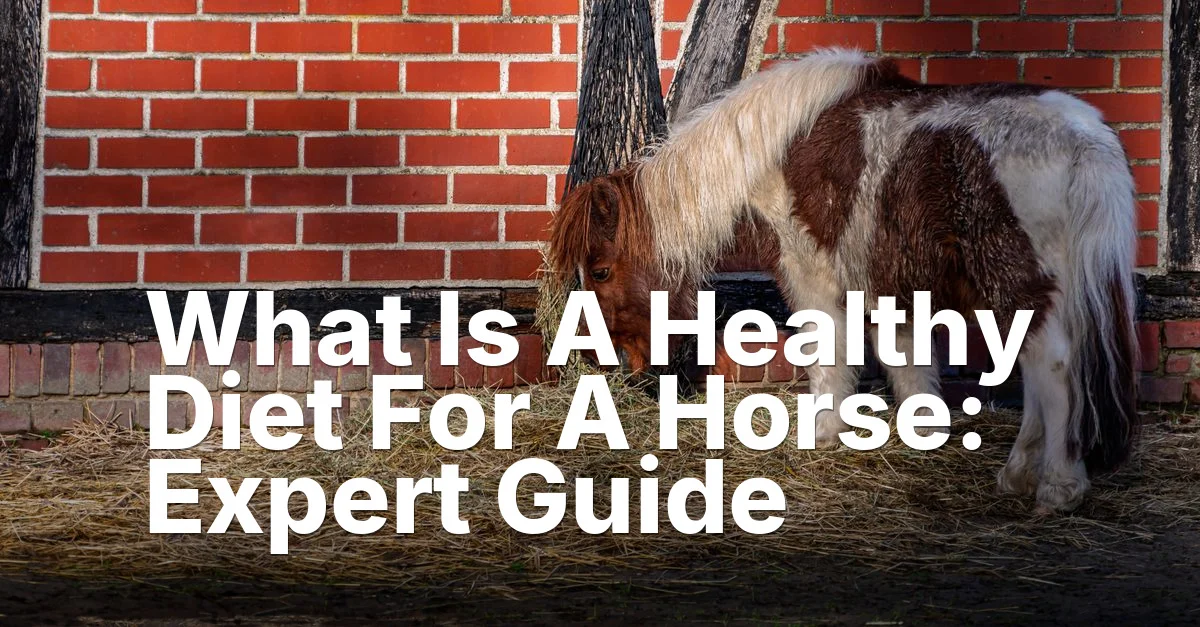
Understanding what is a healthy diet for a horse shapes every decision you make about your animal’s wellbeing, from daily feeding routines to long-term health outcomes. Horses evolved as grazing animals, spending up to 16 hours per day moving through pasture and eating small amounts of forage continuously. This natural feeding pattern differs drastically from how many horses are fed today. This can lead to digestive problems, weight issues, and behavioural stress. Getting nutrition right prevents costly veterinary bills, improves your horse’s energy and performance, and extends its working life by years.
A balanced diet for a horse depends on several factors: age, weight, activity level, metabolism, and access to pasture. Horses require specific ratios of protein, fibre, vitamins, and minerals to thrive. Research shows that about 2% of a horse’s body weight should come from forage daily-that is, grass or hay-as the foundation of any sound feeding plan. Without understanding these basics, even well-intentioned owners can inadvertently create nutritional imbalances that compromise hoof quality, coat condition, and digestive health.
Australian horse owners face unique challenges. Seasonal pasture availability varies by region, water quality differs across states, and local feed suppliers stock different products depending on climate and demand. The RSPCA and equine veterinarians emphasise that building a balanced diet horse requires knowing your individual animal, not following generic feeding charts. This section explains why proper nutrition matters, how it connects to your horse’s behaviour and performance, and what mistakes to avoid as you develop your feeding strategy.
Recommended products
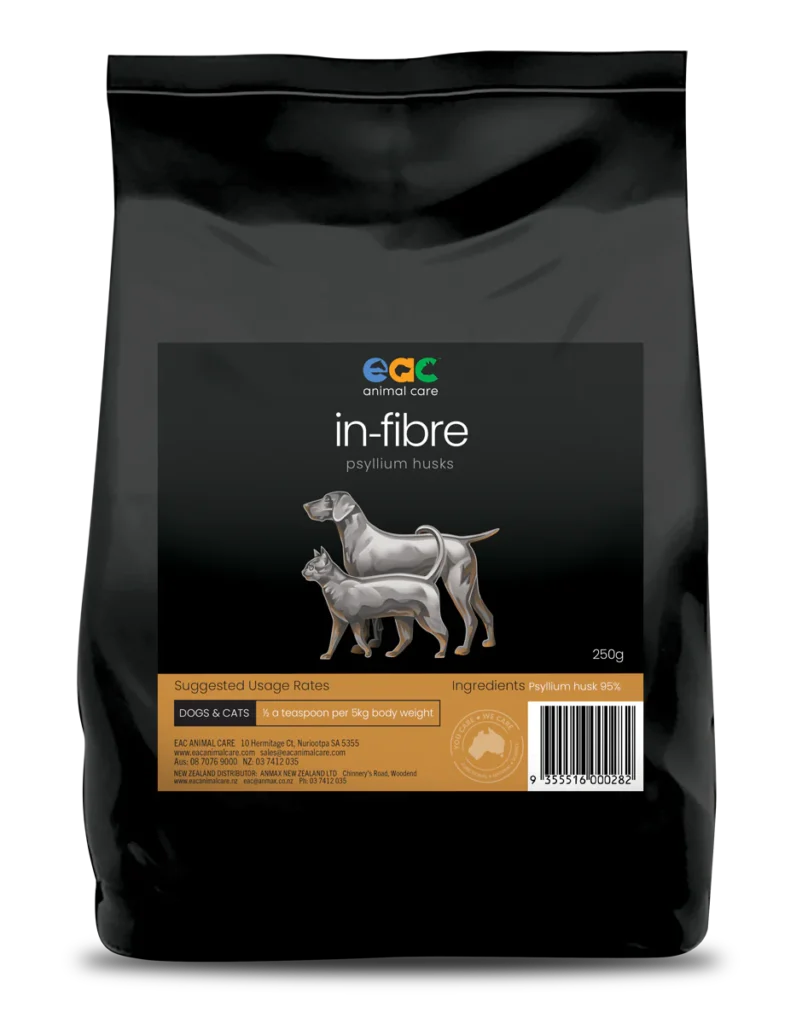
EAC Animal Care – In-Fibre Psyllium Husks | Natural Fibre for Pets & Horses
Original price was: $49.00.$47.53Current price is: $47.53.Georgie Paws – Henry the Horse | Eco-Friendly Buffalo Suede Dog Toy with Coconut Fibre
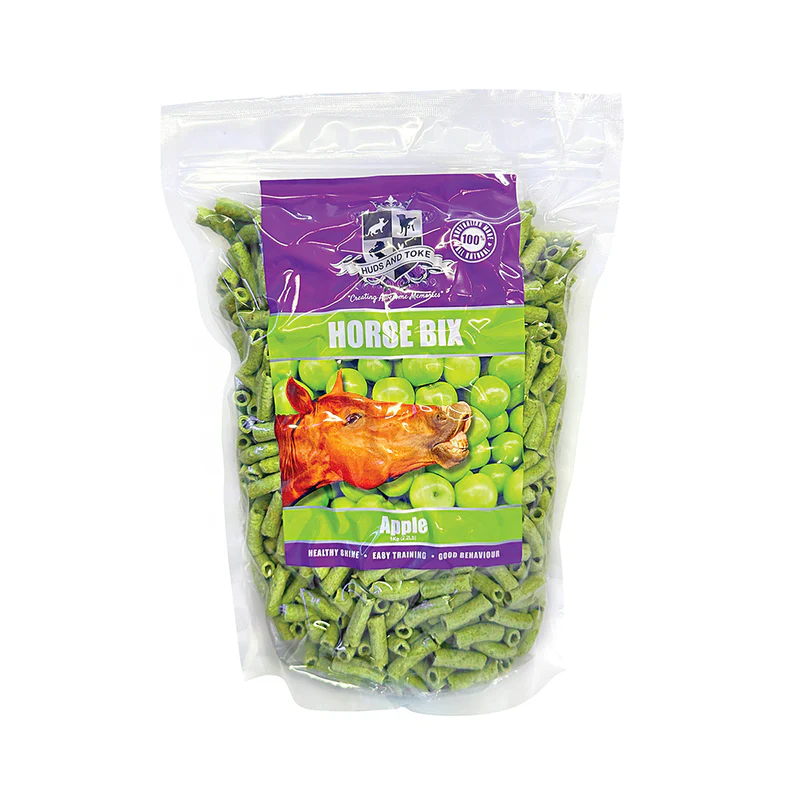
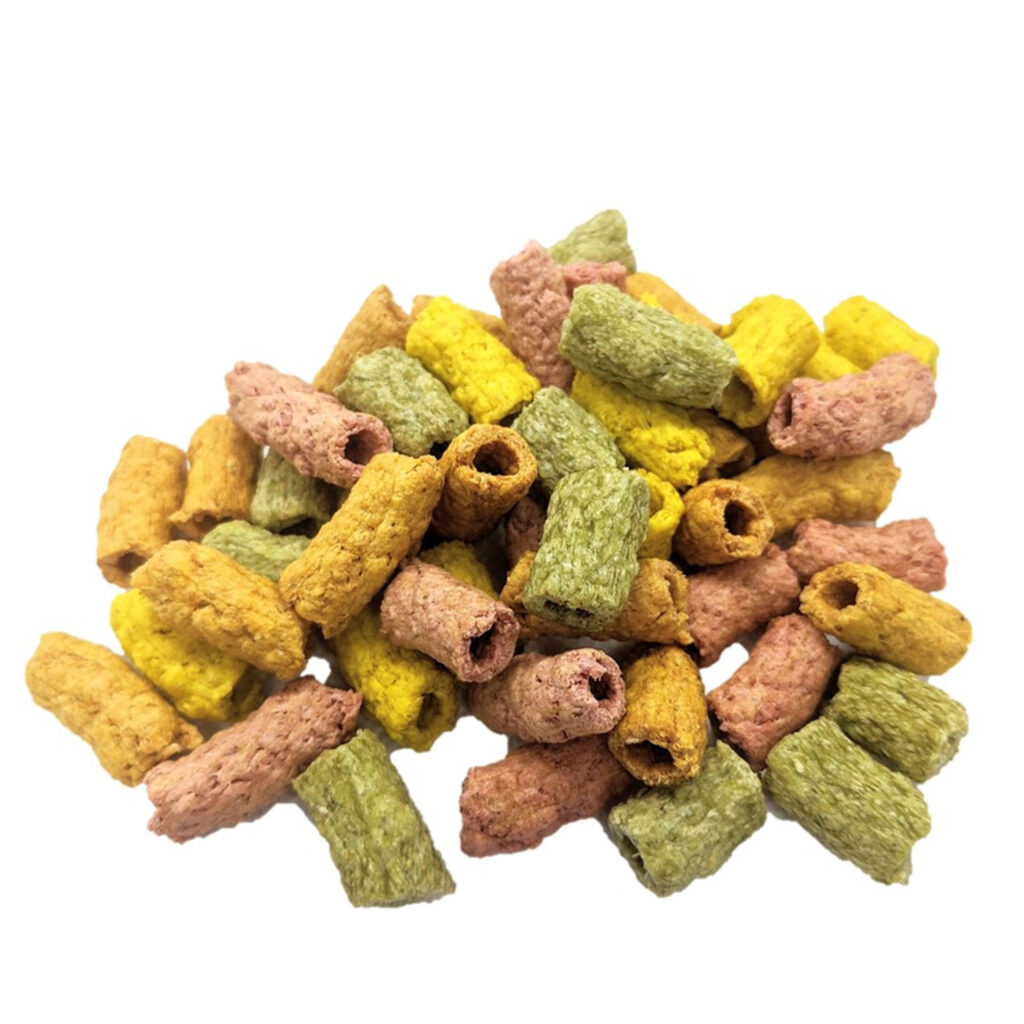
Original price was: $39.99.$38.79Current price is: $38.79.Huds and Toke – Horse Bix Apple | Training Reward Treats 1kg
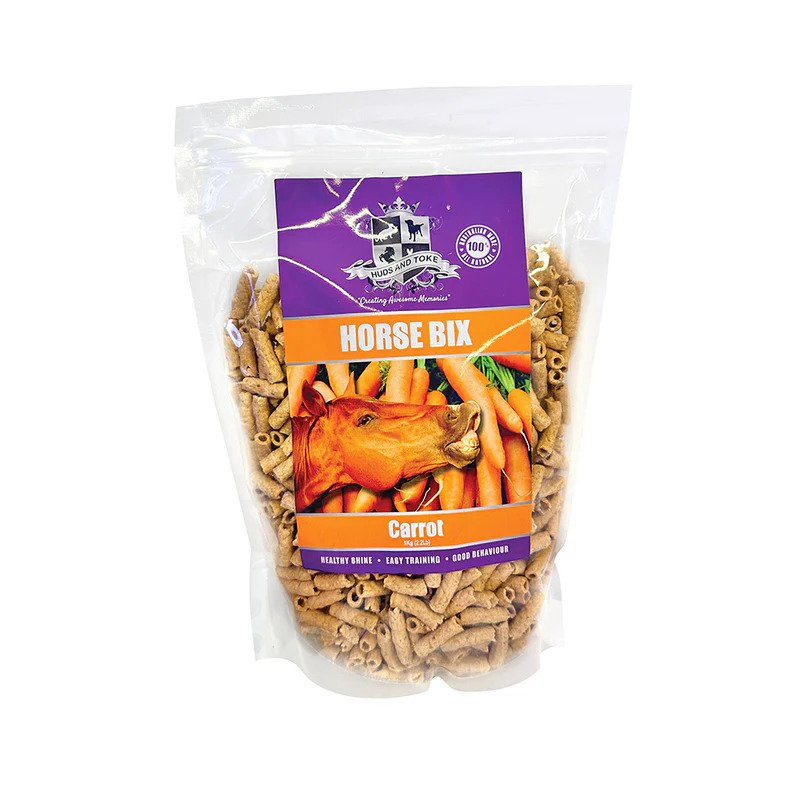
Original price was: $37.99.$36.85Current price is: $36.85.Huds and Toke – Horse Bix Carrot 1kg | Natural Training Treats
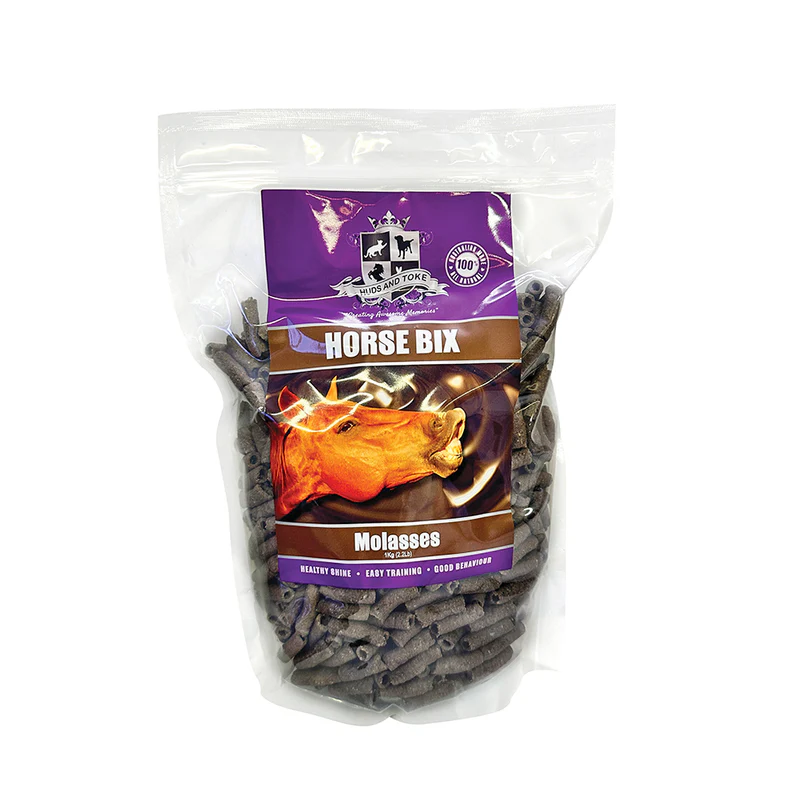
Original price was: $37.99.$36.85Current price is: $36.85.Huds and Toke – Horse Bix Molasses 1kg | Training Horse Treats
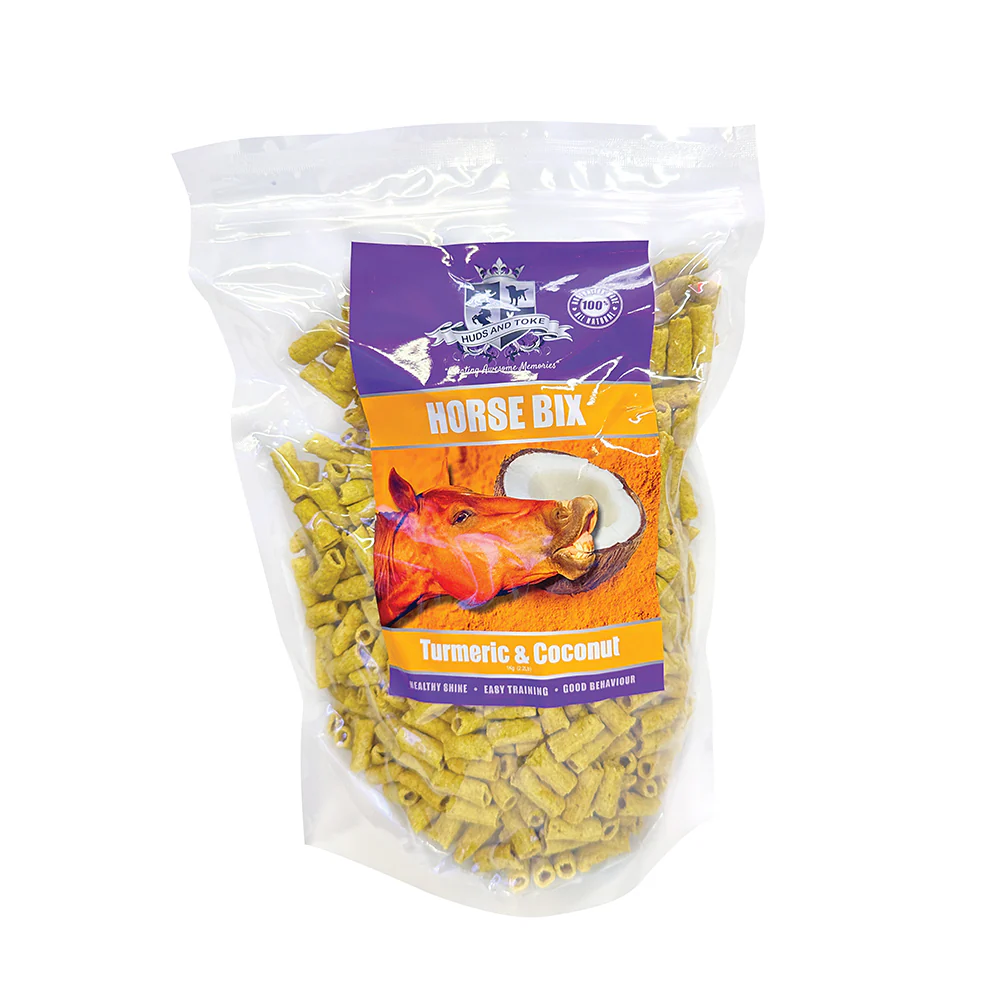
Original price was: $37.99.$36.85Current price is: $36.85.Huds and Toke – Horse Bix Turmeric & Coconut | Functional Training Treats
Original price was: $38.99.$37.82Current price is: $37.82.Huds and Toke – Horse Bix Veggie Sugar Free 1kg | Training Treats
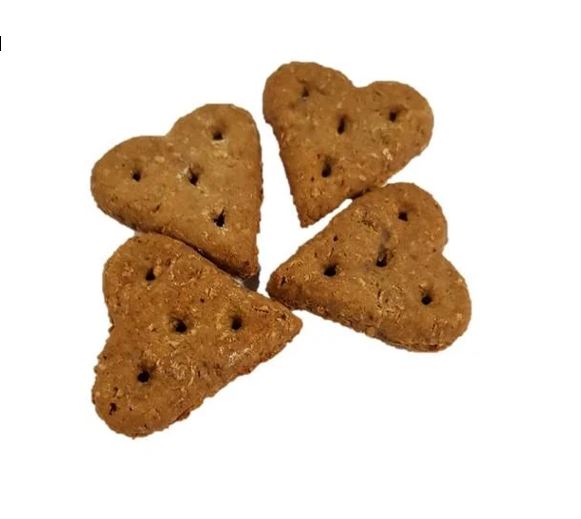
Original price was: $39.99.$38.79Current price is: $38.79.Huds and Toke – Little Love Heart Cookies 1kg | Horse Reward Treats
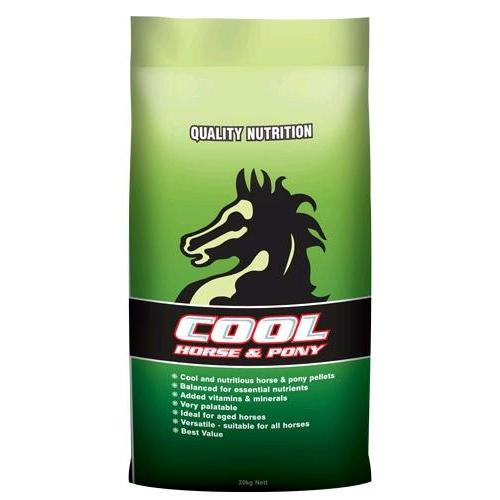
Original price was: $49.99.$48.49Current price is: $48.49.Laucke – Cool Horse & Pony | Pelleted Feed for Horses & Ponies
Original price was: $39.99.$38.79Current price is: $38.79.
What You Will Need
Building a balanced diet for your horse requires specific supplies and knowledge to ensure proper nutrition. Before you start feeding, gather the essential items and understand what your horse needs based on its age, weight, activity level, and health status.
Your horse’s diet depends mainly on forage-grass and hay form the foundation of any balanced diet for a horse. Most horses need access to pasture or hay for at least 16 hours daily. If pasture is limited, you’ll need to provide quality hay or haylage as a supplement. Water is equally critical; horses drink 20-55 litres per day depending on climate and activity, so ensure fresh water is always available.
Here’s what you should have on hand:
- Quality hay or haylage (timothy, meadow grass, or lucerne blends suitable for your region)
- Fresh water supply with clean troughs or automatic waterers
- Grain or concentrate feed (if needed for working horses or those with high energy demands)
- Mineral and vitamin supplements tailored to your horse’s needs
- A weighing scale to monitor your horse’s body condition
- Feeding containers or hay nets to prevent waste
- A record book to track what and how much you feed
According to horseshepherd.org.au, horses should consume about 2% of their body weight in forage daily. A 500-kilogram horse needs roughly 10 kilograms of hay or pasture each day. This baseline helps you calculate portions accurately.
Consider consulting with an equine nutritionist or your veterinarian before introducing new feed types. They can assess your individual horse’s needs and recommend appropriate supplements. Having a feeding schedule written down keeps your routine consistent, which horses prefer and which supports digestive health.
Store all feed in cool, dry conditions away from moisture and pests. Grain should be kept in sealed containers, and hay must be protected from rain to maintain nutritional value. Proper storage prevents mold and spoilage that could harm your horse.
What Is A Healthy Diet For A Horse: The Foundations
A healthy diet for a horse centres on forage, water, and balanced nutrition tailored to the individual animal’s age, weight, and activity level. Horses are grazing herbivores designed to eat grass and hay throughout the day, not large meals at once. Understanding the basic building blocks of equine nutrition helps you provide the right feed and avoid costly health problems down the road.
The foundation of any balanced diet horse rests on three pillars: forage, water, and supplemental feed when needed. Forage-grass, hay, or haylage-should make up at least 50% of a horse’s daily intake, and ideally 70-100% for horses at rest. Water intake is equally critical; horses need access to fresh, clean water year-round and drink more during exercise or hot weather.
Grain and concentrates come into play only when forage alone cannot meet energy demands-such as for racehorses, young growing animals, or horses in heavy work. Most leisure and breeding horses thrive on quality pasture or hay supplemented with a basic vitamin and mineral mix. The key is matching feed type to the horse’s actual needs, not overfeeding out of habit or assumption.
Building balanced diet horse plans also requires understanding individual variation. Metabolic disorders, dental problems, age-related changes, and breed-specific tendencies all shape nutritional needs. A young Thoroughbred in training has vastly different needs than an older pony living on pasture. Consulting with an equine nutritionist or your veterinarian ensures your horse receives the right calories, protein, vitamins, and minerals for long-term health and performance.
Building A Balanced Diet For Your Horse: Step-By-Step

A healthy diet for a horse should consist primarily of quality forage such as hay or pasture. This forms the foundation of equine nutrition and supports proper digestive function. Horses also require concentrated feeds like grains or commercial pellets to meet energy and nutrient demands, especially if they perform work or have special needs. Fresh, clean water must be available at all times. The diet should be balanced with appropriate vitamins and minerals, and any feed changes should be introduced gradually to prevent digestive upset. Consulting an equine nutritionist helps ensure the diet meets your horse’s individual age, activity level, and health needs.
Common Problems
A healthy diet for a horse prevents many feeding mistakes. Common problems arise when owners feed too much grain, provide poor-quality forage, or ignore water intake. Understanding these issues helps you build a balanced diet horse that stays sound and energetic. Most problems are preventable with knowledge and attention to your horse’s individual needs.
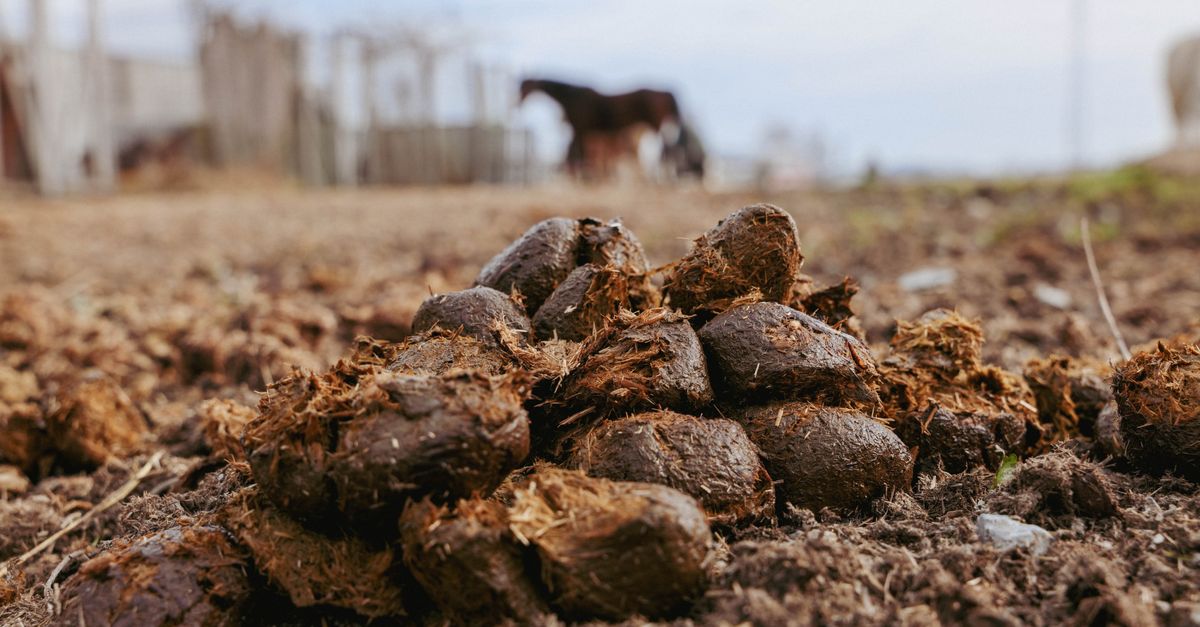
Overfeeding grain and concentrates is the most frequent mistake. Horses evolved to eat grass and forage, not large amounts of processed feed. Too much grain causes digestive upset, weight gain, and behavioural problems. Your horse may become hyperactive or develop colic. Limit concentrates to no more than 2% of body weight daily, according to horseshepherd.org.au. A 500-kilogram horse should receive roughly 10 kilograms of feed per day maximum-most of that should be forage, not grain.
Poor forage quality creates nutritional gaps. Mouldy hay or haylage lacks essential vitamins and minerals. Horses fed low-protein pasture alone may lose muscle condition. Inspect all hay before feeding. It should smell fresh and look green, not brown or dusty. If your pasture is sparse, supplement with quality hay or haylage to maintain proper nutrition.
Conclusion
Building a balanced diet for your horse takes planning, but the effort pays off in better health and performance. A healthy diet for a horse relies on quality forage, clean water, and measured grain depending on the horse’s age and workload. Most horses thrive on grass and hay as their primary feed, with grains added only when needed. Start by assessing your horse’s condition and activity level, then adjust portions gradually to avoid digestive upset.
The foundation of good nutrition is consistent feeding. Horses do best on a routine-feed at the same times each day, introduce new feeds slowly over 7-10 days, and keep fresh water available at all times. Work with your veterinarian or an equine nutritionist to design a plan tailored to your horse’s needs. Every horse is different, so what works for one may not suit another.
Key points to remember:
- Forage (grass and hay) should make up at least 50% of your horse’s daily intake
- Water intake varies by season and activity, but horses typically drink 20-55 litres per day
- Grains and concentrates are supplements, not replacements for pasture and hay
- Monitor your horse’s weight, coat condition, and energy levels monthly
- Adjust feed based on changes in workload, age, or health status
Proper horse feeding prevents common problems like colic, laminitis, and nutritional deficiencies. According to research, horses fed a balanced diet show fewer behavioural issues and maintain steadier weight. The investment in quality feed and expert guidance protects your horse’s long-term health and reduces expensive veterinary bills down the line.
Your horse depends on you to make informed choices about nutrition. Take time to learn what your individual horse needs, stay consistent with feeding schedules, and seek professional advice when questions arise. A well-fed horse is a happy, healthy partner for years to come.