

Clumping vs Non Clumping Cat Litter: Which Is Better?
Get our free Pet Care Starter Checklist
A printable checklist for dogs and cats, plus practical care tips and new arrivals by email.
No spam. Unsubscribe anytime. | Or see our monthly pet box →
Clumping vs non clumping cat litter comes down to how you clean the tray. Clumping litter binds into solid clumps when wet, so you scoop out just the soiled part each day. Non-clumping litter, such as pine pellets or paper, absorbs urine through the tray, so you change more of it, more often. Neither is “better” for every cat: the right pick depends on your cat’s preference, your routine and your home.
Key Takeaways
- Clumping vs non clumping cat litter each suits different homes: clumping forms wet litter into removable clumps for daily scooping, while non-clumping absorbs moisture and needs fuller, more frequent changes.
- Vet advice differs on how long clumping litter can last. Walkerville Vet says the whole tray should still be emptied and cleaned monthly, while Vet Voice advises scooping daily and completely replenishing the tray weekly for any litter.
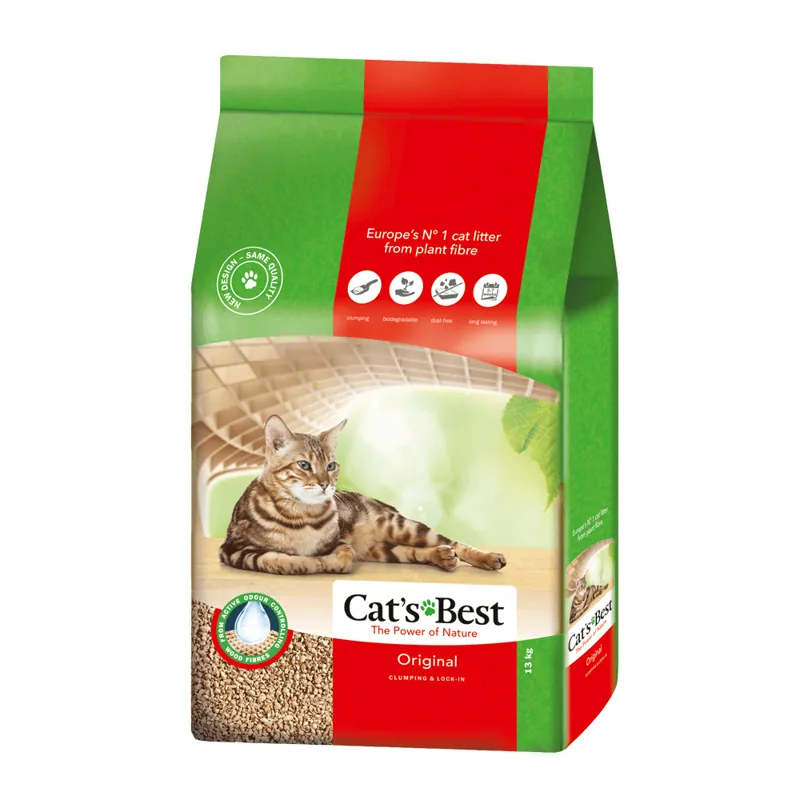
- Choose clumping litter (like Cat’s Best Original) if you want quick daily scooping; pick non-clumping (like Elite Wood Pellets) if your cat likes pellets and you prefer a simple full-change routine.
Quick Comparison Table
Understanding the difference between clumping vs non clumping cat litter helps you choose the right option for your cat’s needs and your household routine. Each type has its own strengths for odour, maintenance and day-to-day effort. The table below compares the two approaches across the points that matter to cat owners.
| Point | Clumping litter | Non-clumping litter |
|---|---|---|
| How it works | Binds into solid clumps when wet | Absorbs urine into the litter; no clumps form |
| Daily job | Scoop out clumps and solid waste | Remove solid waste and wet or broken-down litter |
| Full tray change | Less often, but still empty and clean the tray regularly | More often, as the whole bed absorbs urine |
| Common materials | Clay, wood fibre, tofu (soybean fibre), corn | Pine pellets, recycled paper, some silica crystals |
| Our range | Cat’s Best Original, PooWee! Tofu | Elite Wood Pellets |
| Good fit for | Owners who scoop daily and want to remove urine each time | Cats that like pellets; owners happy with full changes |
According to Vet Voice, cat litter is often described as clumping or non-clumping depending on whether it clumps together with moisture, which can affect how often the litter needs to be changed. Either way, cats always appreciate a regularly cleaned tray.
But it’s worth remembering, that cats always appreciate a regularly cleaned litter tray.
Vet Voice, Australian Veterinary Association
Bottom Line
Clumping vs non clumping cat litter comes down to your daily routine. Clumping litter lets you scoop out just the wet clumps and soiled bits, so the tray stays fresher between full changes. Non-clumping litter absorbs urine throughout the tray, so you need to replace more of it, more often.
Pick clumping litter if you want convenience. Cat’s Best Original Clumping Litter uses natural wood fibres that, according to Cat’s Best, absorb liquids and odours up to seven times their own volume and can stay in the tray for up to seven weeks with regular scooping. That means fewer full changes and less litter going to waste. Vet Voice notes that sand-like, finely granular, clumping and non-perfumed litter is usually the most preferred by cats.
Pick non-clumping litter if your cat likes pellets or you prefer a simple routine. Elite Wood Pellets Cat Litter is compressed 100% Australian pine with no additives or binders. The pellets break down only where wet, and the larger pellets mean less tracking. In RSPCA UK trials, wood pellets performed best, though some cats preferred a fine sandy litter.
Your choice also depends on your cat’s habits. If your cat is already using one type happily, stick with it. Whichever you choose, keep the tray clean and away from food and water, and watch for straining, pain or unusual urine, which need a vet.
How Clumping vs Non Clumping Cat Litter Works
Clumping and non-clumping litter work in completely different ways. Clumping litter forms solid clumps when it gets wet, so you scoop out only the soiled part and leave the rest. Non-clumping litter absorbs moisture but doesn’t clump, meaning you replace more of the tray regularly. Understanding how each type works helps you pick what suits your cat and your routine.
Clumping Litter: The Scoop-and-Go Method
Clumping litter contains materials that bind together when they contact urine. When your cat uses the tray, the wet litter forms clumps you can lift out with a slotted scoop. Walkerville Vet explains that this means you can often remove just the soiled parts neatly and leave the rest, but the whole tray should still be emptied and cleaned monthly.
Clumping litter comes in different materials:
- Wood fibre clumping litter (like Cat’s Best Original, also in a 13kg bag)
- Soybean fibre (tofu) clumping litter (like PooWee! Tofu Cat Litter, which you can scoop and flush)
- Clay (bentonite) clumping litter
Non-Clumping Litter: The Full-Change Method
Non-clumping litter absorbs moisture but doesn’t bind into clumps. Instead, it soaks up urine through the tray. Elite Wood Pellets Cat Litter uses compressed 100% Australian pine pellets that break down only where they get wet, so you can lift out the broken-down litter and solid waste and keep the clean pellets.
Common non-clumping options include:
- Pine pellets (biodegradable, natural)
- Recycled paper litter
- Silica crystal litter
CopRice Max’s Cat Litter is another plant-based option in our range, made from upcycled rice hulls with a small amount of bentonite. It is unscented, absorbent and biodegradable.
Our Cat Litter Range Compared
| Litter | Type | Made from | Key facts |
|---|---|---|---|
| Cat’s Best Original (4.3kg, 13kg) | Clumping | Wood fibres | No chemical additives; biodegradable; up to seven weeks in the tray with regular scooping (Cat’s Best) |
| PooWee! Tofu Cat Litter 5kg | Clumping | Soybean fibre | Scoop solid waste and flush; plant based |
| Elite Wood Pellets 15kg | Non-clumping | 100% Australian pine | No additives, binders or added fragrance; breaks down only where wet; compostable |
| CopRice Max’s Cat Litter | Absorbent pellet | Rice hulls with a little bentonite | Unscented; biodegradable |
Odour Control and Dust in the Clumping vs Non Clumping Cat Litter Debate
Clumping litter helps with odour because you remove urine every day instead of leaving it in the tray. With non-clumping litter, the urine stays in the litter until you change it, so regular full changes matter more. Dust and tracking depend more on the material than on whether it clumps.
Cat’s Best says its wood fibres lock odours inside the grain. Elite says pine naturally helps reduce ammonia smells without added perfume. Walkerville Vet lists dust as a potential hazard with clay litters and says tracking is more common with clay. Unscented litter is a sensible default: the RSPCA suggests about 3-4cm of unscented litter, and RSPCA UK warns that scented litter may put your cat off using the tray.
Consider your household set-up. Homes with several cats produce more waste, so daily scooping or more frequent changes matter more whatever litter you use. If your cat has breathing problems, ask your vet which litter suits them.
Cost and Lifespan of Clumping vs Non Clumping Cat Litter
Clumping litter often costs more per bag but lasts longer between full changes, because you only remove the soiled clumps. Non-clumping litter is often cheaper per bag but needs replacing more often. Which works out cheaper depends on how many cats you have, how deep you fill the tray and how often you change it.
Cat’s Best Original can stay in the tray for up to seven weeks with regular scooping, according to Cat’s Best, so you may buy fewer bags. Elite Wood Pellets comes in a 15kg bag and the clean pellets can stay in the tray while you remove the broken-down parts. Keep the litter deep enough either way: Vet Voice recommends at least 5cm.
Which Litter Suits Your Cat and Home
Your cat’s age, health and habits matter when choosing between clumping vs non clumping cat litter. Some cats prefer one type over another, and your home set-up affects which works best. Studies don’t agree on which type cats prefer overall: Walkerville Vet reviews research showing no clear answer, so watch what your own cat does.
My personal view is that litter type and scent are probably not very important.
Andrew, veterinarian at Walkerville Vet
Clumping litter works well for:
- Owners who want to scoop urine out daily
- Cats that like a fine, sand-like texture
- Homes where you want fewer full changes
Non-clumping litter suits:
- Cats that are happy on pellets
- Owners who prefer lifting out wet litter and topping up
- Households that want a compostable, plant-based pellet
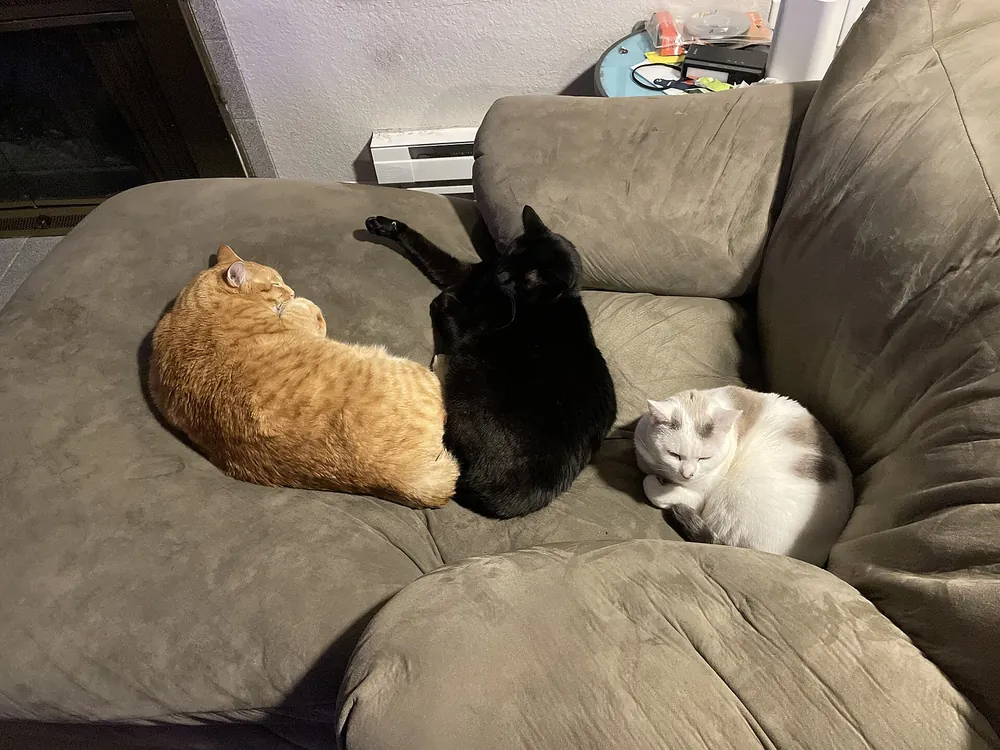
Making the switch. RSPCA UK advises mixing in the new litter gradually over a week, or putting it in a separate tray so your cat can choose. For a kitten, add a little of its old litter to the fresh litter so the familiar scent encourages it to use the tray. See our kitten essentials guide for setting up a new kitten.
Placement and tray numbers. The RSPCA suggests at least two trays for one cat, and at least one tray per cat plus one in homes with more than one cat, in quiet, private spots away from food and water. Vet Voice adds that trays should not sit side by side.
Overall Verdict
Choosing between clumping and non-clumping cat litter comes down to your lifestyle, your cat’s preference and how you like to clean. Neither option is universally better; they are different tools for different situations.
Clumping litter wins on daily convenience: you scoop out wet clumps and the rest stays clean. If you have one or two cats and want a low-hassle routine, a clumping litter such as Cat’s Best Original or PooWee! Tofu is a practical choice. Non-clumping pellets such as Elite Wood Pellets suit cats that like a larger pellet and owners happy with regular full changes.
Which Should You Buy
Choosing between clumping and non-clumping cat litter depends on your routine and your cat. Both have real strengths. Clumping litter makes daily scooping quick and leaves the rest of the tray untouched. Non-clumping litter suits cats that prefer a different texture.
Choose clumping litter if you:
- Can scoop at least once a day
- Want to remove urine as well as solids each time
- Have a cat that likes a fine, sandy feel
Choose non-clumping litter if you:
- Have a cat that already uses pellets happily
- Prefer a simple full-change routine
- Want a plant-based pellet you can compost
Browse the full cat litter range, compare more types in our cat litter types guide, or get litter, food and toys sorted with a monthly pet box for your cat.
Frequently Asked Questions
Is clumping or non-clumping litter better?
Neither is better for every cat. Vet Voice says sand-like, finely granular, clumping, unscented litter is usually the most preferred, while RSPCA UK found wood pellets performed best in its trials. Offer your cat a choice and watch which tray it uses.
How often should you change cat litter?
Scoop at least once a day. Vet Voice advises washing and completely replenishing the tray weekly, and RSPCA UK says to replace the litter at least once a week. With clumping litter, Walkerville Vet says the whole tray should still be emptied and cleaned monthly.
Is clumping litter safe for kittens?
Many kittens are already trained on a particular litter, so keep using that type at first and change slowly. If your kitten eats litter, talk to your vet about which litter to use.
How deep should cat litter be?
The RSPCA suggests about 3-4cm of unscented litter as a starting point, and Vet Voice recommends at least 5cm. Cats like enough litter to dig.
When should I see a vet about litter tray problems?
If your cat strains, shows pain, goes more often, passes unusual urine or faeces, or toilets outside the tray, book a vet check. Vet Voice says a cat straining and not passing anything needs urgent attention.
Specific Questions About Clumping vs Non Clumping Cat Litter
Can you mix clumping and non-clumping litter?
Mixing is a common way to switch. RSPCA UK advises mixing in a new litter gradually over a week, or offering it in a separate tray so your cat can choose.
Is wood pellet litter clumping?
Pine pellets like Elite Wood Pellets are non-clumping: they break down where wet instead of forming clumps. Some wood fibre litters, such as Cat’s Best Original, are made to clump.
Is tofu cat litter clumping?
Yes. PooWee! Tofu Cat Litter is a clumping litter made from soybean fibre, a by-product of soymilk making, and you can scoop solid waste and flush it.
References
- Vet Voice (Australian Veterinary Association), Kitty litter and cats
- Vet Voice (Australian Veterinary Association), Cats and toileting
- RSPCA Knowledgebase, How do I encourage my cat to use a litter tray?
- Walkerville Vet, What is the best cat litter?
- RSPCA UK, How to train a cat to use a litter tray
More cat care help: kitten essentials, kitten food guide, cat flea treatment and cat worming tablets. Shop all cat products.

During veterinary school, he contributed to projects involving species such as hammerhead sharks, Shark Bay mice, woylies, mulgara, and kangaroos, gaining valuable hands-on experience in wildlife health and preservation.


2 comments