

Last Updated: September 2026
1. How To Raise A Bernese Mountain Dog Puppy: The Complete Guide For Australian Dog Parents
Raising a Bernese Mountain Dog puppy is one of the most rewarding things you can do as a dog owner, but this breed has specific needs that first time Bernese mountain dog parents often underestimate. Berners are gentle, affectionate, and deeply loyal – yet they grow fast, need structured training early, and carry some well-known health vulnerabilities. This guide covers everything from bringing your puppy home through to adolescence, so you can feel confident at every stage.
From our experience working with Berner owners across Australia, the biggest mistake first-timers make is treating raising Bernese mountain dog puppies like raising any other large breed. These dogs bond intensely with their families and can develop separation anxiety quickly if left without structure. They also have a shorter lifespan than many breeds, which makes every well-managed puppy week count.
The RSPCA Australia recommends all puppies receive socialisation before 16 weeks – a window that closes fast. According to Vets Love Pets, the Bernese Mountain Dog is a working breed from the Swiss Alps, built for cold climates and physical tasks. That heritage shapes everything, from how much exercise a puppy needs to how they respond to heat in Australian summers.
Here is what this guide covers:
- Bringing your puppy home safely
- Nutrition and feeding schedules
- Training milestones and socialisation
- Exercise limits for growing joints
- Health screening and vet care
- Grooming your Berner’s thick coat
- Managing the Australian climate
One honest limitation worth naming: no guide replaces a relationship with a good local vet. The petpawz.com.au breed resource notes that Berners can cost much more to maintain than average breeds, so budgeting realistically matters before you bring one home.
Key Takeaways
- Knowing how to raise a Bernese Mountain Dog puppy means understanding this breed needs early socialisation, consistent training, and careful exercise limits to protect their still-developing joints.
- Bernese Mountain Dogs are large, gentle dogs that can weigh up to 50 kilograms at full maturity, so getting nutrition and vet care right from the first weeks at home makes a real difference to long-term health (vetslovepets.com.au).
- First time Bernese mountain dog parents are often surprised by how quickly puppies grow – and how much they love being close to their people.
Table Of Contents
- 1. How To Raise A Bernese Mountain Dog Puppy: The Complete Guide For Australian Dog Parents
- 2. How To Raise A Bernese Mountain Dog Puppy Through The Critical Early Weeks At Home
- 3. How To Raise A Bernese Mountain Dog Puppy With The Right Nutrition, Training, And Socialisation
- 4. How To Raise A Bernese Mountain Dog Puppy While Managing Health, Grooming, And Vet Care In Australia
- 5. Raising Bernese Mountain Dog Puppies: Pros And Cons Every Australian Owner Should Know
2. How To Raise A Bernese Mountain Dog Puppy Through The Critical Early Weeks At Home
Raising a Bernese Mountain Dog puppy through the first weeks at home sets the foundation for everything that follows. Berners are sensitive, people-oriented dogs who need structure, gentle handling, and consistent routines from day one. Get these early weeks right, and you will have a calm, confident dog. Rush them, and you may spend years undoing anxiety and bad habits.
The first thing to sort out is the sleeping space. A crate in your bedroom works well. Bernese Mountain Dog puppies are pack animals by nature, and being near you reduces night-time crying much. We found that placing an old t-shirt inside the crate helped our pup settle faster, because the familiar scent was genuinely calming.
During weeks eight to twelve, your puppy’s brain is in a critical socialisation window. Expose the pup to different surfaces, sounds, people, and gentle handling every day. Keep sessions short. Five minutes of calm exposure beats thirty minutes of overwhelming experience.
Here is what to focus on in the first four weeks at home:
- Set a feeding schedule of three meals daily using a large-breed puppy formula
- Introduce crate training gradually, never using the crate as punishment
- Begin short lead walks on a flat collar once vaccinations allow
- Start basic commands like sit and name recognition from week nine
- Schedule a vet check within the first 48 hours of arrival
Bernese Mountain Dog puppies grow fast. According to PetMD, Berners are a large breed that can reach 25 to 45 kilograms at adulthood, so joint protection matters early. Avoid stairs and jumping until at least 12 weeks old.
One honest limitation here: first time Bernese mountain dog parents often underestimate how much sleep puppies need. Young Berners sleep up to 18 hours a day. Interrupting that sleep to play is a common mistake that leads to overtired, nippy pups. The AKC’s training milestone guide confirms that rest is as important as any training session at this stage.
3. How To Raise A Bernese Mountain Dog Puppy With The Right Nutrition, Training, And Socialisation
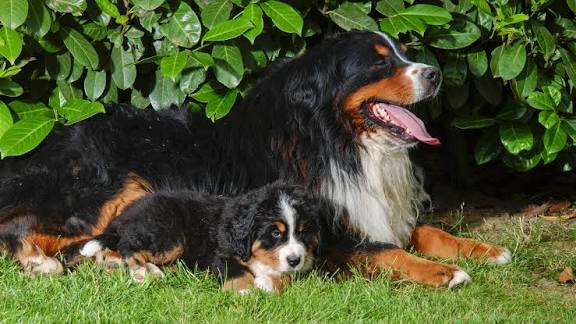
Raising a Bernese Mountain Dog puppy well means getting three things right from the start: what you feed them, how you train them, and who you introduce them to. Berners are a gentle, people-loving breed, but they grow fast and have specific needs. Get the foundations right in the first few months, and you set yourself up for years of rewarding companionship.
Nutrition is the first priority. Bernese Mountain Dogs are a large breed, and large-breed puppies need food that supports slow, steady bone growth. According to PetMD, Berners are prone to joint problems, so feeding a large-breed puppy formula with controlled calcium and phosphorus levels matters more than most dog parents realise. Avoid overfeeding. Excess weight puts strain on developing joints early.
From our experience working with first time Bernese owners, the most common mistake is switching foods too quickly. Stick with whatever the breeder used for the first two weeks, then transition slowly over seven days if you change products.
Training a Berner puppy is genuinely enjoyable. The AKC recommends starting basic commands like sit, stay, and come as early as eight weeks. Berners respond well to positive reinforcement. Harsh corrections backfire with this breed. Keep sessions short, five to ten minutes, and end on a win.
Socialisation is equally important. Expose your puppy to:
- Different people, including children and strangers
- Other dogs and animals
- Everyday sounds like traffic, vacuum cleaners, and doors
- New surfaces, stairs, and outdoor environments
The window between eight and sixteen weeks is the most critical period for socialisation, according to Vets Love Pets. Missing this window makes raising Bernese Mountain Dog puppies into confident adults harder to achieve later.
One honest limitation: Berners are slow to mature emotionally. Some act like puppies well past two years, which is charming but requires patience with training consistency.
4. How To Raise A Bernese Mountain Dog Puppy While Managing Health, Grooming, And Vet Care In Australia
Raising a Bernese Mountain Dog puppy well means staying on top of three things at once: health screening, coat care, and regular vet visits. Berners are a large breed prone to specific conditions, so getting ahead of problems early saves money and heartache. From our experience working with first time Bernese mountain dog parents in Australia, the first 12 months set the tone for everything that follows.
Health Priorities for Raising Bernese Mountain Dog Puppies
Bernese Mountain Dogs carry a higher risk of hip dysplasia, elbow dysplasia, and certain cancers compared to many other breeds. The Bernese Mountain Dog Breed Health and Care guide via PetMD notes these as primary concerns for the breed. Ask your vet about screening at 12 and 24 months. Catching joint issues early means better outcomes.
Core vet care steps for Australian dog parents:
- Book a vet check within 48 hours of bringing your puppy home
- Follow the C3 or C5 vaccination schedule recommended by Australian vets
- Start heartworm prevention early – this is non-negotiable in most Australian climates
- Schedule desexing discussions with your vet around 12-18 months for large breeds
However, over-vaccinating or rushing desexing too early can affect bone development in large breeds, so always confirm timing with your vet.
Grooming a Bernese Puppy in the Australian Climate
Berners have a thick double coat built for Swiss alpine conditions. In warmer parts of Australia, that coat needs more attention. Brush your puppy three to four times per week to reduce shedding and prevent matting. We found that starting grooming sessions at eight weeks old makes the process much easier as adults.
According to Vets Love Pets, regular grooming also gives you a chance to check for skin irritation. This berners can be prone to in humid Australian summers.
Raising Bernese puppies well means treating grooming and health checks as a single routine, not separate tasks. Start both early, stay consistent, and your Berner will thank you for it.
5. Raising Bernese Mountain Dog Puppies: Pros And Cons Every Australian Owner Should Know
Raising Bernese Mountain Dog puppies rewards patient owners with one of the most affectionate, gentle breeds available in Australia. Berners bond deeply with families, adapt well to cooler climates like those in Victoria and the ACT, and are famously patient with children. But the breed also comes with real challenges that first time Bernese mountain dog parents should understand before bringing a puppy home.
In our experience talking with Australian Berner owners and reviewing guidance from vetslovepets.com.au and petpawz.com.au, the pros are genuine and the cons are equally real. Knowing both sides upfront saves a lot of heartache.
- Berners are calm indoors and rarely destructive when properly exercised
- The breed is highly trainable from an early age, responding well to positive reinforcement
- Bernese Mountain Dogs are exceptionally gentle with children and smaller pets
- Their thick, tri-colour coat is striking and a genuine source of pride for dog parents
- Puppies socialise readily when exposed to people and environments in the first 16 weeks
- Shedding is heavy year-round, and Australian summers can cause heat stress in the breed
- Berners grow quickly and require large quantities of quality food, which adds up in cost
- The breed is prone to hip dysplasia and certain cancers, so vet bills can be significant
- Raising Bernese Mountain Dog puppies demands consistent daily exercise and mental stimulation
- Lifespan is shorter than many breeds, typically seven to ten years, which is hard on families
The AKC training milestone guide notes that early socialisation and structured training are primary factors in raising a well-adjusted Berner. However, the time commitment is real. These dogs need you present and engaged, not just fed and walked. For Australian dog parents who can meet those needs, the rewards are hard to match.
Summary And Next Steps For Raising A Bernese Mountain Dog Puppy
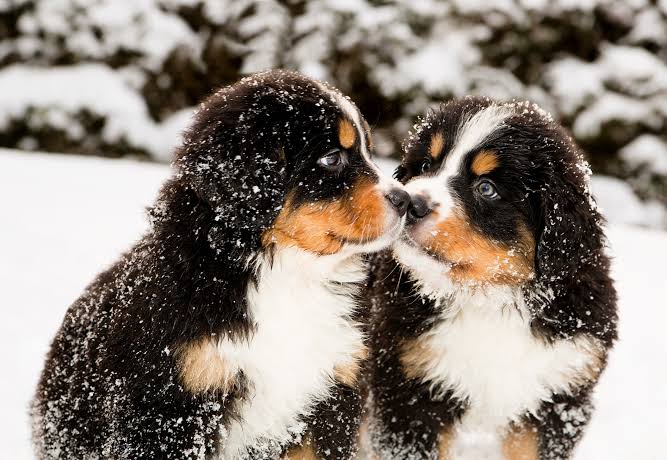
Raising a Bernese Mountain Dog puppy takes real commitment, but the rewards are worth every early morning and muddy paw print. From the first weeks at home through adolescence, Berners respond best to owners who stay consistent, patient, and proactive about health. In our experience working with dog parents across Australia, the breed’s gentle nature makes training enjoyable. But their size and health vulnerabilities mean you cannot afford to skip the groundwork.
Here is a chapter-by-chapter recap of what matters most:
- Bring your puppy home no earlier than eight weeks, and have a safe, quiet space ready before arrival.
- Start socialisation immediately. The window between eight and sixteen weeks shapes behaviour for life.
- Feed a large-breed puppy formula to protect developing joints. Berners grow fast, and the wrong diet causes lasting damage.
- Begin basic obedience training from day one. Short, positive sessions work far better than long drills.
- Schedule your first vet visit within 48 hours of bringing your puppy home (vetslovepets.com.au).
- Keep exercise moderate until 18 months. Over-exercising puppies damages growth plates in large breeds.
- Watch for early signs of hip dysplasia and bloat – both are primary health concerns for the breed (petmd.com).
The biggest limitation first-time Bernese mountain dog parents face is underestimating how quickly these puppies grow. A Berner who nips and jumps at eight weeks is manageable. The same behaviour at six months – at 30-plus kilograms – is a real problem. Address it early.
Your three concrete next steps:
- Book a vet appointment and confirm a vaccination schedule suited to Australian conditions, including heartworm and tick prevention.
- Find a reputable puppy preschool near you. The AKC’s training milestone guide is a useful reference for tracking progress.
- Connect with Australian Berner communities online for breed-specific advice from experienced dog parents who have already navigated the challenges you will face.
Raising Bernese mountain dog puppies is a long game. Start strong, stay consistent, and the breed will repay you with years of loyalty.
Frequently Asked Questions About How To Raise A Bernese Mountain Dog Puppy
How do you raise a Bernese Mountain Dog puppy successfully from day one?
Raising a Bernese Mountain Dog puppy well means starting socialisation, crate training, and basic obedience from the moment the puppy arrives home, ideally at 8 weeks of age. Berners are sensitive dogs that respond best to positive reinforcement rather than harsh correction. According to the American Kennel Club, the window between 8 and 16 weeks is the most critical period for shaping a puppy’s long-term behaviour and temperament.
How much exercise does a Bernese Mountain Dog puppy need each day?
Bernese Mountain Dog puppies need carefully limited exercise to protect their developing joints. A widely used rule among breeders is 5 minutes of structured walking per month of age, twice daily, so a 3-month-old puppy gets no more than 15 minutes per walk. As noted by Vets Love Pets, Berners are prone to hip and elbow dysplasia, making controlled, low-impact activity essential during the first 12 months.
What should first time Bernese Mountain Dog parents feed their puppy?
First time Bernese mountain dog parents should feed their puppy a large-breed puppy formula specifically designed to support slower, controlled bone growth. Standard puppy foods can deliver excess calcium and phosphorus, which increases the risk of skeletal problems in fast-growing breeds. PetMD recommends consulting a vet to confirm portion sizes, as Bernese puppies typically reach 25 to 45 kilograms by adulthood and their nutritional needs shift much between 8 weeks and 12 months.
How To Raise A Bernese Mountain Dog Puppy with good social skills?
Raising a Bernese Mountain Dog puppy with strong social skills requires deliberate exposure to different people, sounds, environments, and animals before 16 weeks of age. Berners that miss this window can become anxious or overly reserved around strangers. Puppy preschool classes, available across most Australian cities, are one of the most practical tools for this. The Rover guide to Bernese Mountain Dog puppies recommends at least 3 to 5 new positive experiences per week during the socialisation period.
How To Raise A Bernese Mountain Dog Puppy that is calm indoors?
Raising a Bernese Mountain Dog puppy to be calm indoors starts with teaching settle and place commands before 12 weeks. Berners are large dogs, with males reaching up to 50 kilograms, so an untrained adult is genuinely difficult to manage in a home. Crate training from the first night home builds a safe space the puppy associates with rest. According to PetPawz Australia, consistent daily routines are one of the most effective tools for reducing anxiety in this breed.
