


Table of Contents
Best Dog Food For Australian Kelpie
Last Updated: June 2026
Introduction
Australian Kelpies are high-energy working dogs bred for herding livestock across vast outback terrain, and their demanding physical lifestyle means nutrition cannot be an afterthought. Choosing the best dog food for Australian Kelpie requires understanding this breed’s unique caloric needs, activity level, and digestive preferences-factors that differ much from casual companion dogs. Your Kelpie burns energy at a rate most pet owners underestimate. This makes feeding decisions critical to their long-term health, coat quality, and working performance.
The Australian Kelpie’s heritage as a working dog shapes everything about its metabolism. These dogs were developed to work in harsh Australian conditions, often covering kilometres on foot without rest. That breeding history means your Kelpie’s nutritional needs are not the same as a Labrador or Spaniel living a moderate lifestyle. Protein intake, fat content, and micronutrient balance all play direct roles in muscle recovery, sustained energy, and joint health-especially as your dog ages.
Finding the right food options Australian breeders and veterinarians recommend involves weighing several factors: grain inclusion, protein sources, calorie density. Whether raw or kibble suits your management style. Some owners swear by local Australian brands formulated for working dogs, while others prefer premium imported options or home-prepared diets. Each approach has tradeoffs between convenience, cost, digestive tolerance, and performance outcomes.
This guide walks you through the nutritional science behind feeding options Australian Kelpies thrive on, compares the most reliable commercial and whole-food approaches available in Australia. Helps you decide based on your dog’s age, activity level, and individual response to diet. Whether you own a working Kelpie on a farm or an active companion in the suburbs, the right food supports muscle development, maintains a healthy weight. Keeps your dog’s coat glossy and energy high.
Key Takeaways
- Best dog food for Australian kelpie focuses on high protein, active-breed formulas that match their working heritage and intense energy demands throughout the day.
- Australian kelpies require 25-30 grams of protein per 100 grams of food to maintain muscle and support their herding instincts, with quality meat sources listed as the first ingredient.
- Cost-effective local options include grain-free and raw diets ranging from AUD AUD 60-AUD 150 per month, depending on portion size and whether you prepare meals at home or purchase premium commercial brands.
Best Dog Food For Australian Kelpie: Nutritional Requirements and Protein Needs
Australian Kelpies are high-energy working dogs that need protein-rich diets to fuel their active lifestyle. These herding dogs burn calories faster than most breeds, so their food must match their demanding work schedule. A proper diet supports muscle development, coat health, and sustained energy throughout the day. Protein should form the foundation of any best dog food for Australian Kelpie, with quality fats and balanced carbohydrates playing supporting roles. Understanding what your Kelpie actually needs prevents costly nutritional mistakes and keeps your dog performing at its best.
Recommended products
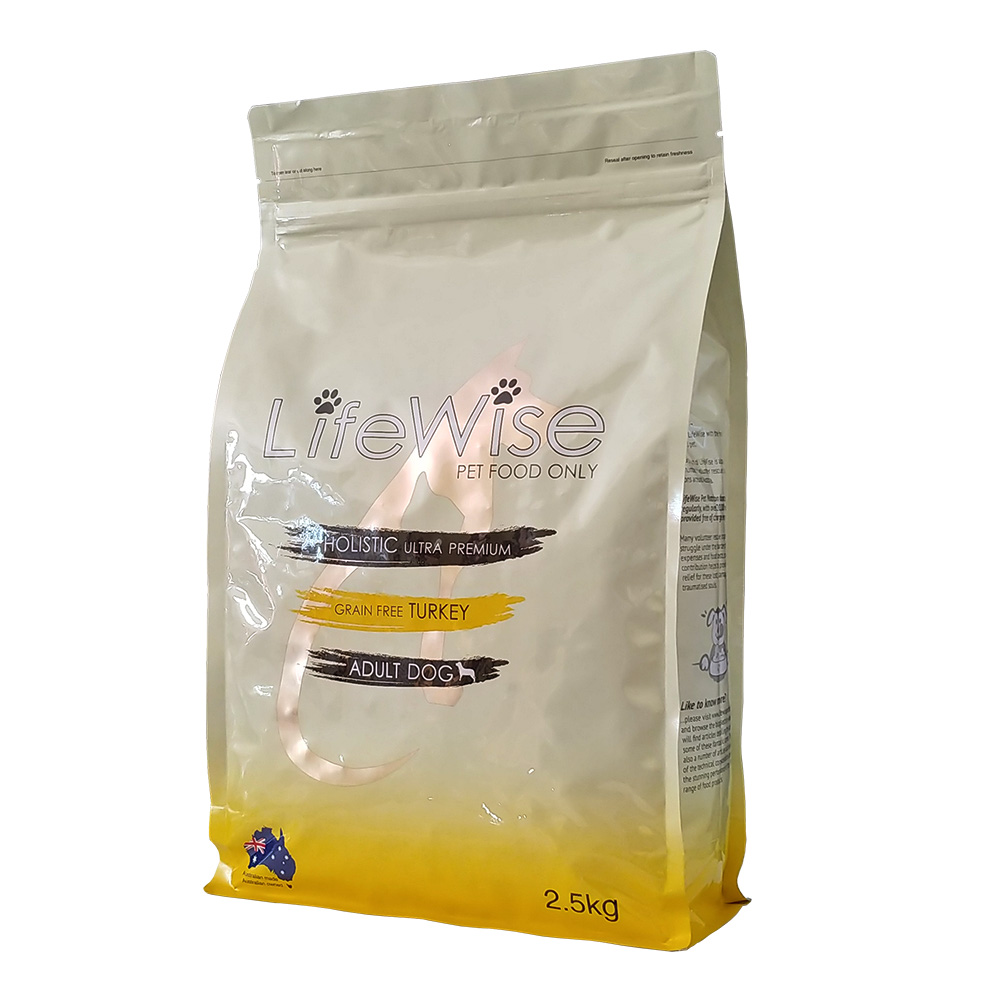
LifeWise – Adult Dog – GRAIN FREE – Turkey | Holistic High-Performance Dog Food
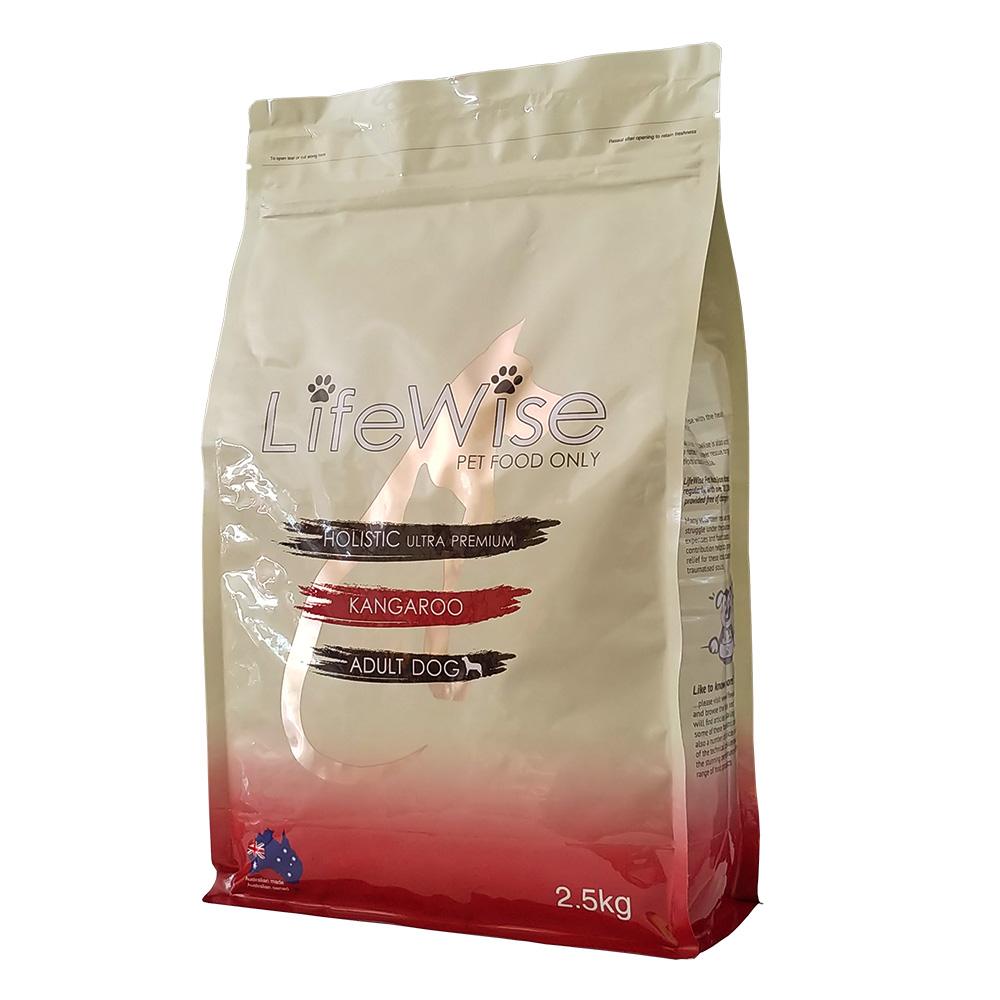
Price range: $66.92 through $164.89LifeWise – Adult Dog – Kangaroo | Hypoallergenic Dog Food for Sensitive Stomachs
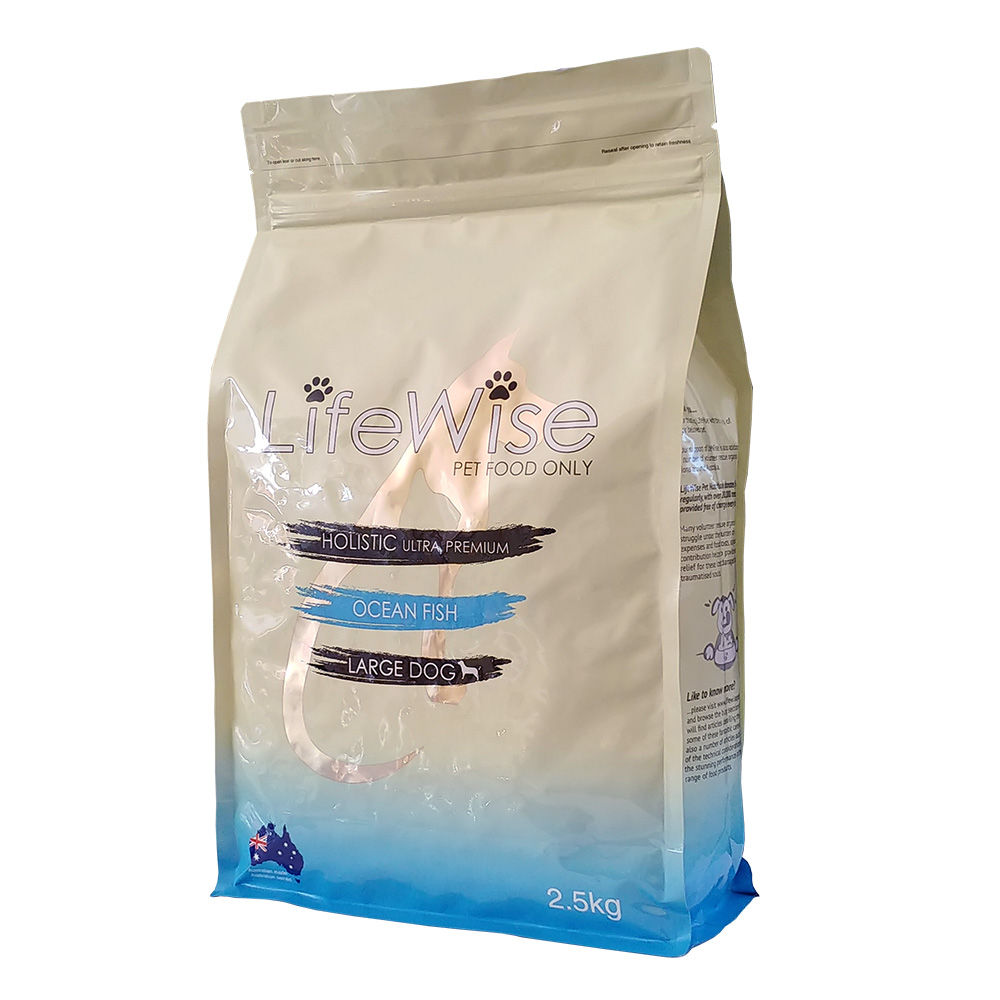
Price range: $66.92 through $164.89LifeWise – Adult Dog – Ocean Fish Large Bites | Hypoallergenic Dog Food for Sensitive Skin
Price range: $65.95 through $155.19
Protein Requirements for Active Working Dogs
Australian Kelpies require higher protein levels than average pet dogs because of their working heritage. Most adult Kelpies need at least 22-25 percent crude protein in their daily diet, though working dogs often benefit from 28-30 percent or higher. Protein builds and repairs muscle tissue, which these herding dogs use constantly. Young puppies need even more – typically 24-28 percent – to support growth and development. It should list real meat sources like beef, chicken, lamb, or fish as the first ingredients, not grain fillers or by-products.
Essential Fats and Omega Fatty Acids
Fat content matters just as much as protein for Kelpies. Working dogs need 15-20 percent fat in their diet to maintain energy and support skin and coat health. Omega-3 and omega-6 fatty acids reduce inflammation, improve joint flexibility, and keep your dog’s coat shiny. Fish-based options like snapper and trevally provide natural omega-3s that benefit working dogs. However, fat levels that work for active Kelpies may be too high for less active pets, so adjust based on your individual dog’s activity level and body condition.
Carbohydrates and Digestive Health
Kelpies thrive on moderate carbohydrate levels paired with high-quality protein. Sweet potatoes, brown rice, and vegetables provide sustained energy and fibre for digestive health. Some Kelpies do well on grain-free options, though this depends on your dog’s individual digestion. Always transition to new food slowly. Mix one spoonful into the current food for three days, then gradually increase the ratio over 7-10 days. Watch your dog’s energy levels and coat condition to confirm the diet is working.
Top Food Options For Australian Kelpies: Premium Brands and Budget-Friendly Choices
Australian Kelpies are high-energy working dogs that need nutrient-dense food to match their active lifestyle. Choosing the right best dog food for Australian Kelpie depends on your budget, your dog’s age, and any dietary sensitivities. Premium options and affordable alternatives both exist in the Australian market, each with distinct nutritional profiles and price points.
Premium brands tend to use whole meat proteins and minimal fillers. Budget-friendly options still meet nutritional standards but may rely more on grains and by-products. Your Kelpie’s individual needs – whether it is a working dog, a family pet, or a growing puppy – should guide your choice.
Here are the main food options to consider:
- Premium dry kibble from brands formulated for active breeds
- Raw or freeze-dried meat-based diets
- Wet or canned food mixed with kibble
- Home-cooked diets prepared with veterinary guidance
- Budget kibble from established Australian manufacturers
Premium brands typically cost between AUD 60 and AUD 120 per month, depending on bag size and protein content. Budget options range from AUD 25 to AUD 50 monthly. Raw feeding sits in the middle, around AUD 40 to AUD 80 monthly, though initial setup costs more.
Recommended products
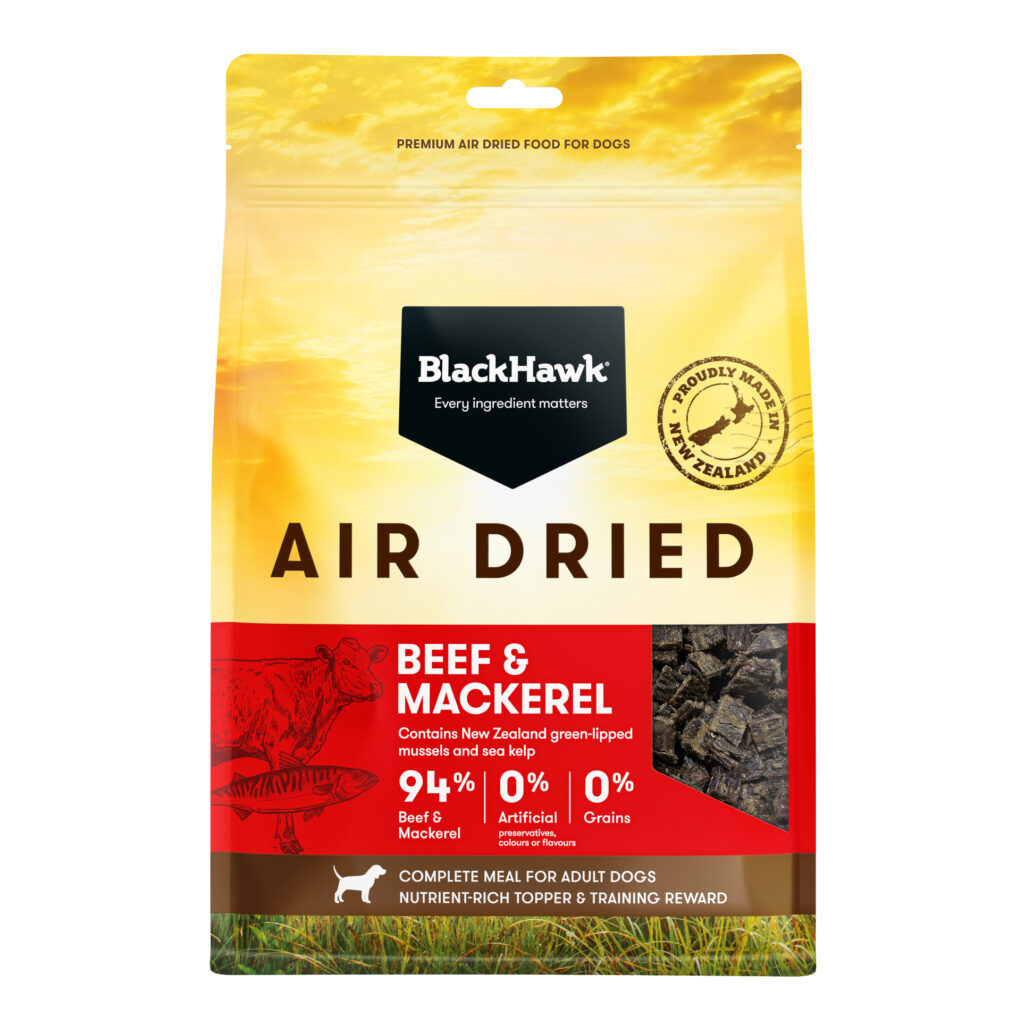
Black Hawk Adult Dog – Air Dried Beef & Mackerel | Premium NZ Recipe
Price range: $47.53 through $124.16Black Hawk Adult Dog – Air Dried Chicken | Premium NZ Recipe
Price range: $53.35 through $106.70Black Hawk Adult Dog Weight Management | Healthy Low-Calorie Kibble
Original price was: $115.00.$111.55Current price is: $111.55.
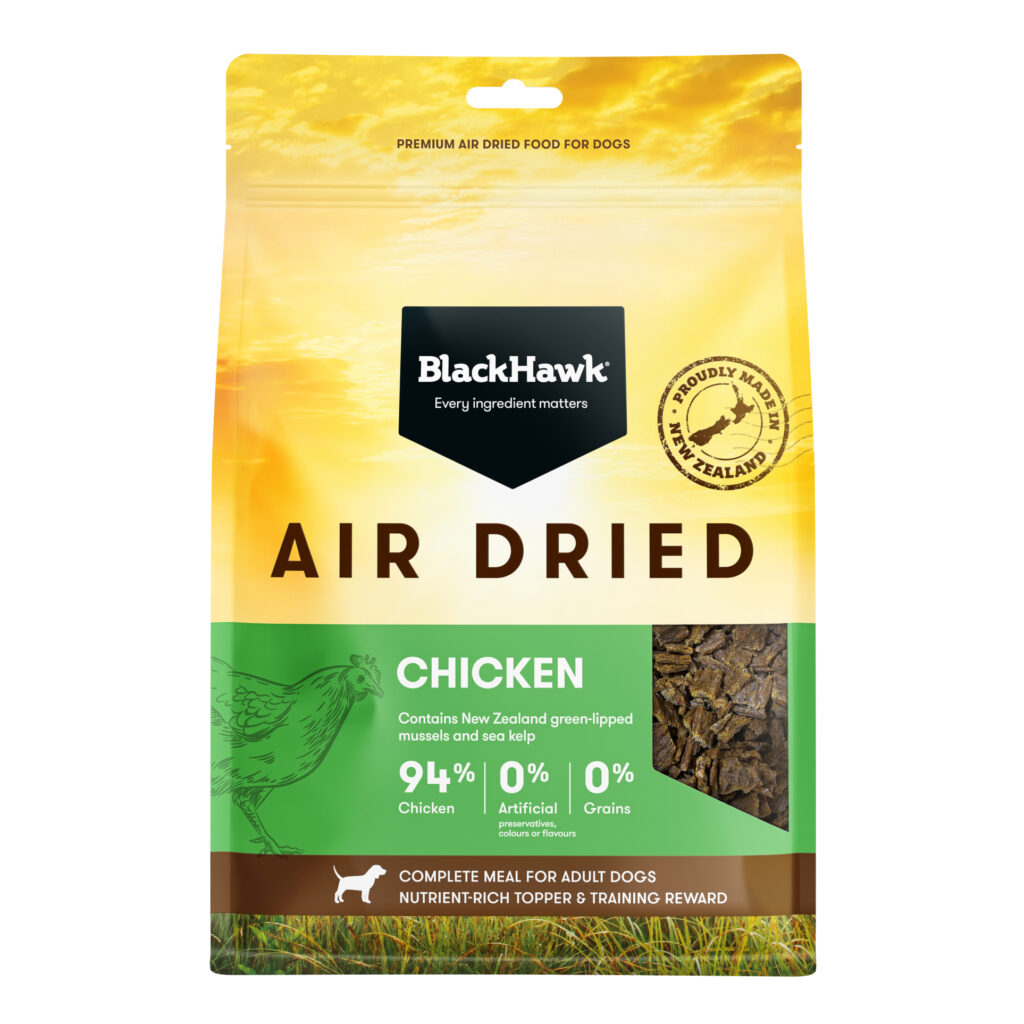
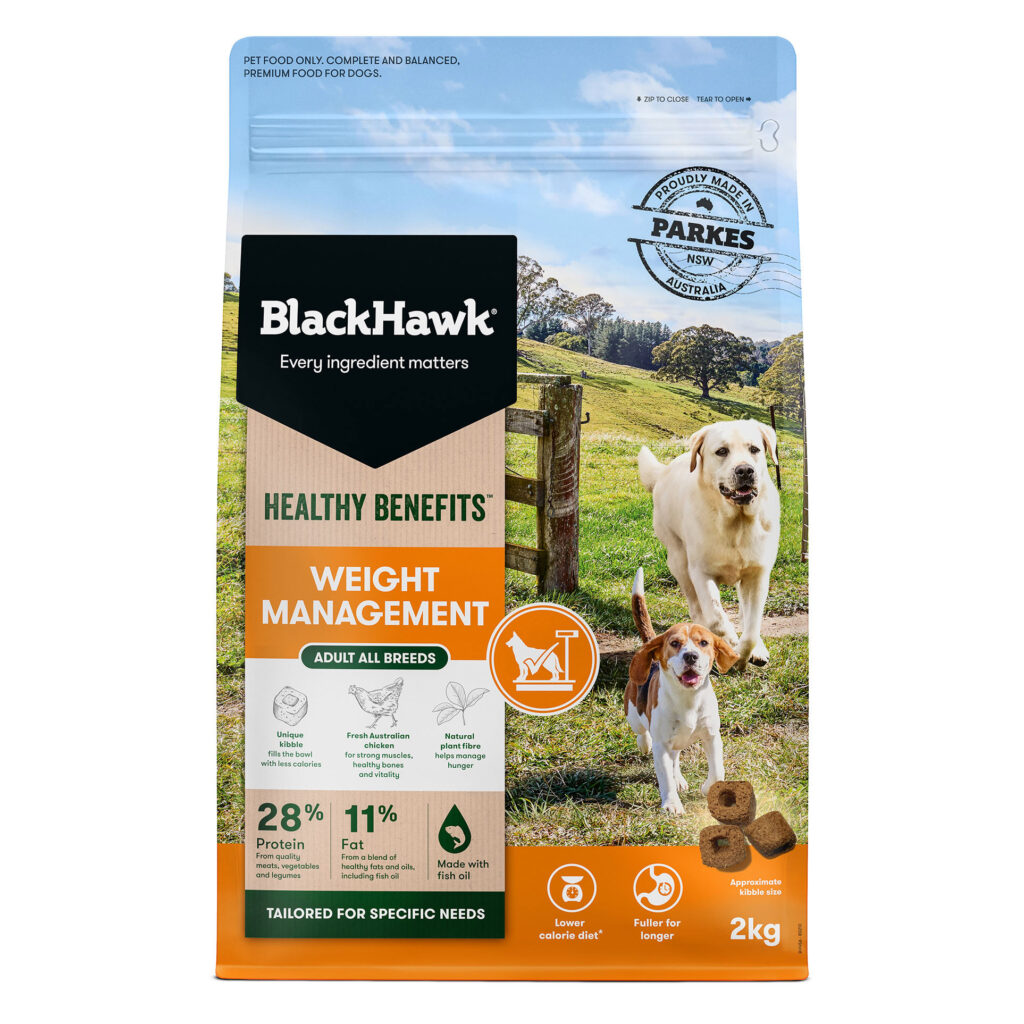
The Australian Cattle Dog, a close cousin to the Kelpie, shares similar nutritional needs and thrives on high-protein diets suited to working conditions. Kelpies bred for farm work benefit from consistent, quality nutrition that supports muscle development and sustained energy.
When switching foods, introduce the new option gradually over 7 to 10 days. Mix small amounts of the new food into the old, increasing the ratio each day. This prevents digestive upset and allows you to spot food sensitivities early.
Consult your veterinarian before making major dietary changes, especially if your Kelpie has a history of allergies or digestive issues. Your vet can recommend brands suited to your dog’s specific health profile and activity level.
Best Dog Food For Australian Kelpie Puppies: Early Nutrition and Development

Puppies need different nutrition than adult dogs, and Australian Kelpie puppies are no exception. Growing pups require higher protein and fat levels to support bone development, muscle growth, and brain function. It puppies should contain around 22-32 percent protein and include essential amino acids like taurine. Quality puppy formulas also provide calcium and phosphorus in the right ratio to prevent skeletal problems. Starting your Kelpie pup on proper nutrition sets the foundation for a healthy, energetic adult dog.
Australian Kelpie puppies grow rapidly during their first twelve months. During this critical window, their bodies demand more calories per kilogram of body weight than adult dogs. A growing Kelpie pup typically needs three to four meals per day until around six months old, then can transition to two meals daily. Portion sizes depend on the puppy’s age and expected adult size, but most Kelpie pups weigh between 11 and 20 kilograms as adults.
Protein quality matters more than quantity when selecting food for your puppy. Look for named meat sources like chicken, beef, or fish rather than vague terms such as “meat meal” or “animal by-products.” Australian-made puppy foods often include local proteins like Australian Cattle Dog heritage breeds’ preferred sources-snapper and trevally from Australian waters appear in premium formulas. These whole-food proteins support muscle development and keep your Kelpie pup satisfied between meals.
Transitioning your puppy to new food requires patience. Mix the new food gradually with the previous diet over seven to ten days. Start with 25 percent new food and 75 percent old food, then increase the new food ratio every two days. Watch your puppy’s stools during this transition-firm, consistent poop indicates good digestion. Rushing the change can cause digestive upset and loose stools.
Consult your veterinarian before choosing a puppy formula, especially if your Kelpie has sensitivities or allergies. Your vet can recommend portion sizes based on your individual puppy’s growth rate and energy level. Regular weigh-ins at your vet’s clinic help track whether your puppy is growing at a healthy pace and guide feeding adjustments as needed.
Frequently Asked Questions
Australian Kelpies are high-energy working dogs that demand nutritionally balanced food options to support their active lifestyle and overall health. Finding the right dog food for an Australian Kelpie requires understanding their unique dietary needs, breed characteristics, and the range of food options available in the Australian market. This guide explores the best dog food options for Australian Kelpies and helps you make an informed choice for your working companion.
Conclusion
Choosing the best dog food for Australian Kelpie depends on your dog’s age, activity level, and individual health needs. Australian Kelpies are high-energy working dogs that need quality protein and balanced nutrition to thrive. Whether you opt for commercial kibble, raw feeding, or home-cooked meals, the key is finding what suits your dog’s digestion and keeps them energised for their daily work or play.
Start by talking to your vet about your Kelpie’s specific dietary needs. Your vet can rule out allergies, sensitivities, or digestive issues that might affect food choices. Many Australian dog owners find success with locally made brands that understand the climate and activity demands of working dogs in Australia.
When comparing food options, read ingredient labels carefully. Look for named meat sources rather than vague terms like ‘meat meal’. High-quality proteins support muscle development and recovery. Healthy fats promote coat condition and brain function-important for intelligent, active breeds like Kelpies.
Budget matters too. Premium options may cost more upfront but can reduce vet bills if they prevent digestive problems or nutritional deficiencies. However, expensive doesn’t always mean better; some mid-range Australian brands offer excellent nutrition at reasonable prices.
Monitor your Kelpie’s condition regularly. A healthy weight, shiny coat, and firm stools indicate your food choice is working. If you notice dull fur, digestive upset, or lethargy, adjust gradually and consult your vet.
Remember that food options for Australian Kelpies evolve as your dog ages. A puppy needs different nutrition than an adult or senior dog. Reassess annually and adjust portions or formulas as needed.
Your Kelpie’s long-term health depends on consistent, quality nutrition matched to their energy demands. Take time to find the right fit for your dog and your household.
Specific Questions About Best Dog Food For Australian Kelpie

What specific protein percentage should I feed my Australian Kelpie to support their high energy levels without causing digestive upset?
Australian Kelpies require dog food with at least 18-25% protein to fuel their high-energy working breed metabolism, with animal-based proteins like chicken, beef, or fish as primary ingredients. According to the Association of American Feed Control Officials (AAFCO), adult dogs need a minimum of 18% protein, but active working breeds like Kelpies benefit from the higher end of this range. As of 2026, premium formulas targeting working dogs typically contain 22-28% protein to sustain their stamina and muscle development without causing digestive issues if the food is high-quality and introduced gradually.
Which dog food brands are specifically formulated for medium-to-large active breeds like Kelpies, and what makes them different from standard formulas?
Formulas designed for active breeds include higher fat content (15-20%) for sustained energy, added joint support ingredients like glucosamine, and optimized calorie density compared to standard maintenance formulas. Working breed and active dog formulas from major manufacturers differ by including enhanced omega-3 and omega-6 ratios to support coat health and cognitive function, plus they’re typically calorie-dense to meet the 1,000-1,600+ daily calorie needs of an active Kelpie, whereas standard adult formulas average 350-400 calories per cup for less active dogs.
Should I feed my Australian Kelpie grain-free dog food, or are grains acceptable for this breed without health risks?
Grains are nutritionally acceptable for Australian Kelpies unless the individual dog has a diagnosed grain allergy or sensitivity. Grain-free diets are not inherently superior and have been associated with potential heart health concerns in some studies. The FDA investigated links between grain-free diets and dilated cardiomyopathy in dogs, though causation remains unclear as of 2026. Most veterinarians recommend grain-inclusive formulas with whole grains like brown rice or oats unless your Kelpie shows specific signs of grain intolerance such as itching, vomiting, or diarrhea.
How many calories per day does an active adult Australian Kelpie need, and how should I adjust portions if my dog works or competes?
An active adult Australian Kelpie typically requires 1,200-1,600 calories daily depending on size, age. Activity level, with working or competing dogs needing the higher end of this range. Dogs engaged in regular herding, agility, or other work may require 25-50% more calories than sedentary dogs of the same weight. The best approach is to feed based on body condition (ribs should be easily felt but not visible) and adjust portions upward during high-activity periods, then reduce them during rest or off-season to prevent obesity.
What joint-support ingredients should I look for in dog food to prevent hip dysplasia and arthritis in Australian Kelpies as they age?
Look for glucosamine, chondroitin, and omega-3 fatty acids (from fish oil or flaxseed) as these are evidence-based joint-support ingredients that may help maintain cartilage health and reduce inflammation. Formulas that include these ingredients alongside appropriate calcium and phosphorus ratios (typically 1.2:1) support bone development in younger Kelpies and joint maintenance in older dogs. As of 2026, senior or joint-focused formulas for active breeds often combine these with additional antioxidants like vitamin E to address age-related joint wear common in working breeds.
Are there any common food allergies or sensitivities specific to Australian Kelpies that I should avoid when selecting dog food?
Australian Kelpies do not have breed-specific food allergies. But individual dogs may react to common allergens such as chicken, beef, dairy, wheat, or soy, which appear in many commercial formulas. If your Kelpie shows signs of allergies-itching, ear infections, or gastrointestinal upset-an elimination diet under veterinary guidance can identify the trigger. Limited-ingredient or novel-protein formulas (using proteins like venison, duck, or kangaroo) are often recommended for Kelpies with confirmed sensitivities, though there is no evidence that Kelpies as a breed are predisposed to any particular allergen.
[…] a vet appointment and confirm a vaccination schedule suited to Australian conditions, including heartworm and tick […]