

Dry Cat Food Guide: Biscuits, Portions and How to Choose
Get our free Pet Care Starter Checklist
A printable checklist for dogs and cats, plus practical care tips and new arrivals by email.
No spam. Unsubscribe anytime. | Or see our monthly pet box →
Dry cat food is complete kibble (biscuits) that stays fresh in the bowl, is simple to measure, and suits many adult cats in Australian homes. This guide explains what the biscuits are, how they compare with wet meals, how much to feed, and which adult and life-stage bags we stock.
Key takeaways
Keep these points handy when you choose a bag and set meal sizes at home. They cover labels, portions, water, life stage and storage so you can shop with a clear checklist.
- Choose food labelled as a complete adult (or kitten / senior) diet — not a complementary snack.
- Follow the feeding guide on the bag and weigh portions; adjust for body condition, not only the number on the scale.
- Always offer fresh water. Kibble is low in moisture compared with pouches and tins — Cornell notes canned diets are often about 75%+ moisture versus roughly 6–10% in dry diets.
- Match life stage and lifestyle (kitten, adult, indoor, senior) before you chase a flavour.
- Store biscuits in a cool, dry place in a sealed container and use them within the bag’s best-before window.
- Wet food and biscuits can sit side by side in a mixed routine when portions are calculated carefully.
What is dry cat food?
Dry biscuits are cooked, extruded pieces often called kibble. A complete recipe is designed to supply the nutrients an adult cat needs when fed as the main diet. Bags are light to store, scoop cleanly, and stay usable longer once opened than a wet pouch does after opening.
Cats are obligate carnivores. The RSPCA and PDSA advise feeding a complete commercial cat food suited to life stage rather than guessing a home-made mix. Look for “complete” on the label, and pick kitten, adult or senior recipes when your cat’s age calls for them.
Dry cat food vs wet food
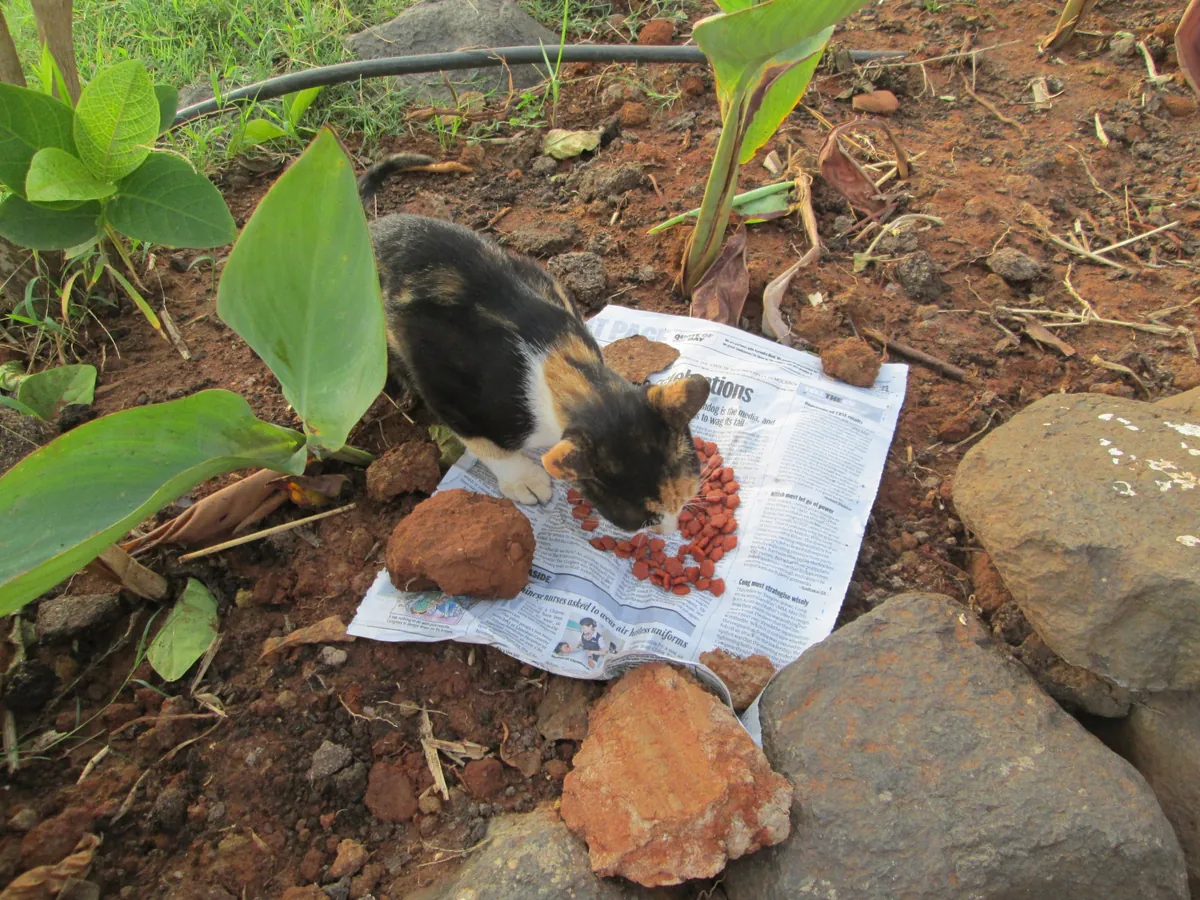
Neither format is “wrong” for a healthy adult cat. Biscuits are convenient for measured meals and grazing. Wet food brings more moisture in each serve. Many owners use both: a weighed dry allowance plus a pouch or tin at one or two meals. Our companion guide on wet cat food covers pouches and tins in more detail.
Cornell’s Feline Health Center notes canned diets often hold about 75% or more moisture, while dry diets sit closer to 6–10%. If your cat drinks little, add wet meals for fluid. Biscuits still work as an everyday base when water is always available.
| Point | Dry biscuits | Wet meals |
|---|---|---|
| Moisture | About 6–10% (Cornell) | Often 75%+ (Cornell) |
| Storage | Sealed bag or tub; scoop as needed | Fridge after opening; use promptly |
| Portioning | Easy to weigh for the day | Per pouch/tin; watch mixed totals |
| Best for | Busy homes, multi-cat grazing | Cats that need more moisture in meals |
How much dry cat food to feed
Start with the feeding guide printed on the bag for your cat’s weight, then adjust. PDSA and International Cat Care both stress weighing food and watching body shape: you should feel ribs under a light cover of fat, see a waist from above, and avoid a heavy tummy hanging low.
PDSA notes many cats like to graze, eating about eight to sixteen times a day. Weigh the day’s allowance once. Leave it out for grazing, or split it into meals if your cat empties the bowl and begs. Keep treats under about 10% of daily calories and reduce main meals to match.
- Weigh the daily allowance once, then split into meals or leave for grazing if your cat self-regulates.
- If you also feed wet food or treats, reduce the biscuit amount so the day stays balanced.
- Indoor cats often need less energy than active outdoor cats — indoor or weight-management recipes can help match that.
- Change brands or flavours over about a week, mixing old and new pieces so tummies stay settled.
| Checkpoint | What to do |
|---|---|
| Label | Confirm “complete” and the right life stage |
| Portion | Weigh using the bag guide, then adjust for body shape |
| Water | Fresh bowl available all day, ideally away from food |
| Treats | Keep under ~10% of daily calories (PDSA) |
| Mixed feeding | Cut biscuits when you add pouches or tins |
Our cat treats guide explains how to keep extras from crowding out the main diet.
Dry cat food options we stock
Browse the full dry cat food range, or start with these in-stock adult and life-stage bags we sell in Australia.
Everyday adult bags
Australian-made everyday bags are a solid first stop. Try Advance Adult Cat Chicken, Advance Adult Cat Ocean Fish, or Advance Adult Multi-Cat Chicken & Ocean Fish for households with more than one cat. Black Hawk options include Black Hawk Adult Cat Chicken and Black Hawk Adult Cat Ocean Fish.
Indoor and lifestyle recipes
Indoor cats often move less. Look at Advance Adult Cat Indoor, Black Hawk Adult Cat Indoor Chicken, Ivory Coat Indoor & Hairball, or Hill’s Science Diet Adult Indoor.
Grain-free and specialised adult bags
Grain-free adult choices include Ivory Coat Grain Free Chicken, Ivory Coat Grain Free Ocean Fish & Salmon, and Hypro Premium Grain Free Chicken. For oral-care style kibble textures, see Advance Triple Action Dental and Hill’s Science Diet Oral Care. A widely used adult chicken biscuit is Hill’s Science Diet Adult Cat Chicken.
Kittens and older cats
Growing cats need kitten recipes such as Advance Kitten Chicken and Black Hawk Kitten Chicken. Read our full kitten food guide before you switch a youngster onto adult biscuits. For older cats, Advance Healthy Ageing Chicken is labelled for that life stage — ask your vet if your senior has special dietary needs.
You can also explore the wider cat food category, or add variety through our monthly pet subscription box.
How to serve biscuits at home
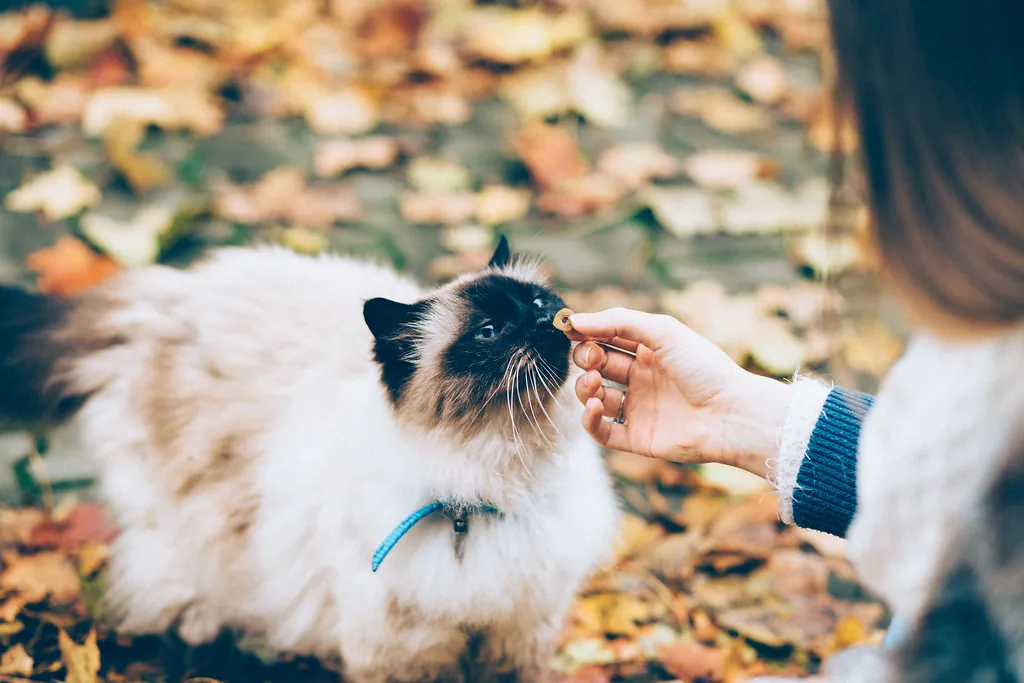
Serving habits matter as much as the bag you buy. Use a calm spot, clean bowls, and a clear daily weight.
- Use a shallow, easy-to-clean bowl. Many cats prefer ceramic or stainless steel over plastic.
- Keep food bowls away from the litter tray, and give water its own spot — some cats drink more when water sits apart from food.
- Scoop with a clean cup or scale rather than guessing handfuls.
- If you free-feed, still weigh the day’s total so multi-cat homes do not quietly overeat.
- Wash bowls regularly so old oil and crumbs do not put fussy cats off.
Water, wet meals and treats beside kibble
Biscuits do not replace drinking water. Refresh bowls daily and consider a second water station in a quiet room. If you mix formats, calculate the dry reduction when you add a pouch — our wet cat food guide walks through mixed feeding. Keep cat treats as a small extra, not a second dinner.
Common mistakes to avoid
Most biscuit feeding problems come from labels, extras, and rushed brand swaps. Watch for these habits.
- Buying complementary snacks thinking they are a full diet — always check for “complete”.
- Feeding adult biscuits to a kitten (or the reverse) without checking the life-stage label.
- Leaving the bag open so biscuits go stale or absorb pantry smells.
- Adding wet food and treats on top of a full dry allowance without reducing the biscuits.
- Switching brands overnight and then blaming the new food for a short tummy upset.
Specific questions about dry cat food
Is dry food enough on its own?
Yes — a complete dry diet can be the sole food for many healthy adult cats when water is always available and portions match body condition. Some cats do better with wet food in the mix for moisture; that is a preference and lifestyle choice, not a rule against biscuits.
Do cats need grain-free biscuits?
Not automatically. Many complete adult recipes with grains are suitable. Grain-free bags are one option among several — choose based on your cat’s tolerance, your vet’s advice if there is a known issue, and the life-stage label, not marketing alone.
How long does an open bag stay fresh?
Follow the best-before date and the storage advice on the pack. Reseal the bag, or move biscuits into a clean airtight tub, keep them cool and dry, and avoid scooping with a wet cup.
FAQ
Is dry cat food better than wet?
Neither wins for every cat. Dry biscuits are simple to store and measure; wet food adds moisture. Many households use both successfully.
Can I leave biscuits out all day?
Often yes, if you weigh the daily total first. Cats that overeat may need timed meals instead of free grazing. PDSA’s grazing range of roughly eight to sixteen small feeds a day is a useful reminder that frequent tiny meals are normal.
How do I switch to a new bag?
Mix a little of the new biscuits into the old ones and increase the new share over about seven days while watching stool quality and appetite.
Should kittens eat adult recipes?
No. Use a kitten-complete recipe until your vet or the feeding guide says it is time to move to adult food.
What if my cat refuses biscuits?
Try a different texture or flavour gradually, warm a small wet topper without turning biscuits into soup, and rule out dental or medical issues with your vet if appetite drops suddenly.
References
- RSPCA Australia — What should I feed my cat?
- International Cat Care — Feeding your cat or kitten
- International Cat Care — Obesity in cats
- PDSA — The best diet for your cat
- Cornell Feline Health Center — Feeding your cat
- ASPCA — Cat nutrition tips
- RSPCA UK — Cat diet

During veterinary school, he contributed to projects involving species such as hammerhead sharks, Shark Bay mice, woylies, mulgara, and kangaroos, gaining valuable hands-on experience in wildlife health and preservation.

2 comments