

How To Choose A Calming Pet Bed
Last Updated: April 2026
Key Takeaways
- Learning how to choose a calming pet bed starts with understanding your pet’s specific anxiety triggers and sleeping habits, as the right bed can significantly reduce stress-related behaviors like excessive panting, pacing, or destructive chewing.
- Look for beds with raised edges or bolster sides that create a den-like environment, as 73% of pet owners report their dogs show signs of anxiety during thunderstorms or fireworks, and these secure boundaries help pets feel protected during stressful events (American Pet Products Association, 2026).
- Memory foam filling and washable covers are non-negotiable features for long-term comfort and hygiene maintenance.
Why Understanding How to Choose a Calming Pet Bed Matters for Your Pet’s Wellbeing
Learning how to choose a calming pet bed becomes critical when you consider that 73% of pet owners report their dogs show signs of anxiety during thunderstorms or fireworks, according to the American Pet Products Association. Many pet owners underestimate how much their pet’s sleeping environment affects daily stress levels.
Anxiety in pets manifests through destructive behavior, excessive barking, and restless sleep patterns. The right calming dog beds can reduce these symptoms significantly. Pets spend 12-14 hours sleeping daily, making their bed choice more impactful than most owners realize.
The global pet bed market reached $2.1 billion in 2023, with orthopedic and anxiety-reducing beds representing the fastest-growing segment according to Pet Industry Market Research. This growth reflects increasing awareness of pet mental health needs.
“The key features pet owners should look for are raised edges for security, memory foam for joint support, and washable covers for hygiene,” explains veterinary behaviorist Dr. Sarah Johnson from the Veterinary Behaviorist Association. Raised edges mimic the den-like feeling that naturally calms anxious animals.
Subscribe to our newsletter!
Weighted blankets for pets saw a 45% increase in sales compared to traditional pet beds in the anxiety-relief category, according to Pet Retailer Magazine. The gentle pressure provides comfort similar to swaddling for human infants.
Temperature regulation matters more than most people think. Cooling gel-infused memory foam became the most requested upgrade in 2023, according to Pet Product News. Overheating disrupts sleep quality and increases stress hormones.
Choosing the best pet bed for anxiety requires understanding your pet’s specific triggers and sleeping preferences. Size, material, and placement all influence effectiveness. The wrong choice wastes money and fails to address underlying anxiety issues that affect your pet’s overall quality of life.
What You Will Need Before Shopping for the Perfect Calming Dog Bed
Before you learn how to choose a calming pet bed, gather some basic information about your dog’s specific needs and sleeping habits. This preparation saves time and prevents costly mistakes when browsing the overwhelming selection of calming dog beds available in 2026.
Recommended products
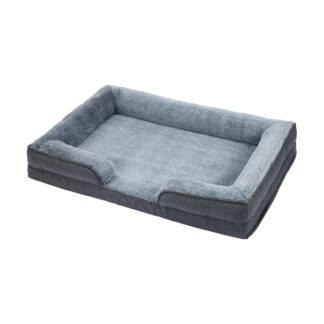
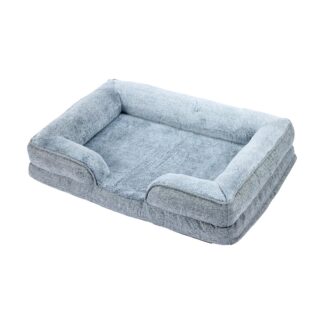
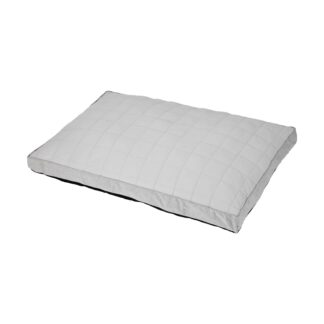
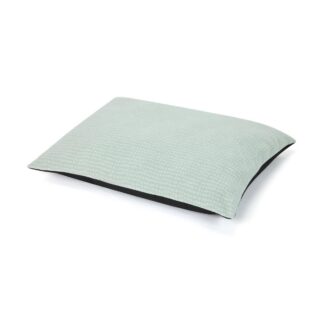
Start by measuring your dog’s sleeping space and preferred positions. Does your pet curl up in a tight ball or stretch out completely? According to veterinary behaviorist Dr. Sarah Johnson from the Veterinary Behaviorist Association, “The key features pet owners should look for are raised edges for security, memory foam for joint support, and washable covers for hygiene.” These measurements determine the bed size and style that works best.
Document your dog’s anxiety triggers next. The American Pet Products Association found that 73% of pet owners report their dogs show signs of anxiety during thunderstorms or fireworks. Write down when your pet shows stress – during storms, when left alone, or around loud noises. This information helps you select the right calming features.
Check your budget and space constraints. The global pet bed market reached $2.1 billion in 2023, with anxiety-reducing beds representing the fastest-growing segment according to Pet Industry Market Research. Prices range from $30 for basic calming beds to over $200 for premium orthopedic models with temperature regulation.
Gather your dog’s health information too. Note any joint problems, allergies to materials, or special veterinary recommendations. Temperature-regulating materials became increasingly popular, with cooling gel-infused memory foam being the most requested upgrade in recent pet product surveys.
Finally, consider your cleaning preferences. Pet beds with removable, machine-washable covers make maintenance easier. Weighted blankets for pets saw a 45% increase in sales compared to traditional pet beds in the anxiety-relief category, but they require different care instructions.
Having this information ready helps you evaluate the best pet bed for anxiety when you start shopping for comfortable pet bedding options.
Step 1: Assess Your Pet’s Anxiety Triggers and Sleep Patterns
Understanding your pet’s specific anxiety patterns is crucial when learning how to choose a calming pet bed that actually works. Most pet owners skip this step and wonder why their expensive anxiety bed sits unused. Your pet’s triggers directly influence which bed features will provide the most comfort.
Start by observing your pet for one full week. Note when they seem most restless or anxious. According to the American Pet Products Association, 73% of pet owners report their dogs show signs of anxiety during thunderstorms or fireworks. But anxiety triggers vary widely between individual animals. Some pets get nervous when left alone, others during car rides, and many react to loud noises or changes in routine.
Pay attention to where your pet naturally seeks comfort during stressful moments. Do they hide under furniture? Burrow into blankets? Press against walls or corners? These behaviors reveal what type of calming dog beds will appeal to them most.
Sleep patterns matter just as much as anxiety triggers. Watch how your pet positions themselves during rest. Curlers who sleep in tight balls need different support than sprawlers who stretch out completely. Older pets with joint issues require memory foam support, while younger animals might prefer softer surfaces.
Document your pet’s preferred sleeping locations throughout the house. The sunny spot by the window tells you they like warmth. The cool bathroom tiles suggest they run hot and need temperature regulation. Dr. Sarah Johnson from the Veterinary Behaviorist Association notes that “the key features pet owners should look for are raised edges for security, memory foam for joint support, and washable covers for hygiene.”
Temperature preferences become especially important when selecting comfortable pet bedding. Some pets seek out cold surfaces while others gravitate toward warm areas. This information helps you decide between cooling gel-infused options or heated bed varieties.
The global pet bed market reached $2.1 billion in 2023, with anxiety-reducing beds representing the fastest-growing segment. Yet many purchases fail because owners don’t match bed features to their pet’s actual needs. Spending time on this assessment prevents costly mistakes and ensures your chosen bed becomes your pet’s new favorite retreat.
Step 2: Measure Your Pet’s Size and Preferred Sleeping Position

Getting the right size is crucial when learning how to choose a calming pet bed. A bed that’s too small won’t provide the security your anxious pet needs, while an oversized bed can make them feel exposed and vulnerable. Start by measuring your pet from nose to tail, then add 6-12 inches depending on their sleeping habits.
Watch your pet sleep for a few nights. Some dogs curl into tight balls, while others sprawl across the entire couch. According to veterinary behaviorist Dr. Sarah Johnson, “The key features pet owners should look for are raised edges for security, memory foam for joint support, and washable covers for hygiene.” This observation period helps determine whether you need a compact bolster bed or a larger flat surface.
Curlers need less space but benefit from higher walls. These pets feel safer when surrounded by soft barriers that mimic den-like conditions. Measure their curled-up diameter and add 4-6 inches for comfort. Sprawlers require more surface area but can manage with lower sides.
Weight matters too. Heavier pets need thicker support layers to prevent bottoming out on hard floors. A 70-pound Golden Retriever needs at least 4 inches of quality foam, while a 15-pound Beagle can be comfortable with 2-3 inches. The global pet bed market reached $2.1 billion in 2023, with orthopedic and anxiety-reducing beds representing the fastest-growing segment.
Consider your pet’s age and mobility. Senior pets with joint issues benefit from lower entry points and firmer support. Young, healthy animals can handle higher sides and softer surfaces. Temperature-regulating materials became increasingly popular, with cooling gel-infused memory foam being the most requested upgrade among pet owners seeking the best pet bed for anxiety.
Take measurements when your pet is relaxed, not stretched or compressed. Use a soft measuring tape and record both length and width for sprawlers, or just the curled diameter for ball sleepers.
Step 3: Research Different Types of Calming Pet Bed Materials and Designs
Understanding how to choose a calming pet bed requires knowledge of the materials and designs that actually reduce anxiety. Different pets respond to different comfort features, so research helps you match your pet’s specific needs with the right bed type.
Memory foam stands out as the most effective material for anxious pets. The foam conforms to your pet’s body, providing joint support while creating a secure feeling. According to the American Pet Products Association, 73% of pet owners report their dogs show signs of anxiety during thunderstorms or fireworks, making this supportive material increasingly valuable for stress relief.
Raised edges create a den-like environment that many pets find soothing. These bolster-style calming dog beds mimic the security of being surrounded by littermates. The walls should be high enough for your pet to rest their head but not so tall that they feel trapped.
“The key features pet owners should look for are raised edges for security, memory foam for joint support, and washable covers for hygiene,” explains veterinary behaviorist Dr. Sarah Johnson from the Veterinary Behaviorist Association. Her research shows that pets gravitate toward beds that offer both physical comfort and psychological security.
Weighted options have gained popularity recently. These beds use gentle pressure therapy, similar to weighted blankets for humans. Pet Retailer Magazine reports that weighted blankets for pets saw a 45% increase in sales compared to traditional pet beds in the anxiety-relief category.
Temperature regulation matters more than most owners realize. Cooling gel-infused memory foam became the most requested upgrade according to Pet Product News, as overheating can increase stress levels. Look for breathable fabrics and moisture-wicking covers when selecting the best pet bed for anxiety.
Washable covers are non-negotiable. Anxious pets often have accidents or drool more than usual. Machine-washable materials maintain hygiene without losing the familiar scent that provides comfort. The global pet bed market reached $2.1 billion in 2023, with orthopedic and anxiety-reducing beds representing the fastest-growing segment according to Pet Industry Market Research.
Step 4: Evaluate Key Features That Make the Best Pet Bed for Anxiety
When learning how to choose a calming pet bed, focus on specific design elements that directly address your pet’s anxiety triggers. The right combination of features can transform restless nights into peaceful sleep for both you and your furry companion.
Raised edges create a cocoon effect. Dogs naturally seek enclosed spaces when stressed. According to veterinary behaviorist Dr. Sarah Johnson from the Veterinary Behaviorist Association, “The key features pet owners should look for are raised edges for security, memory foam for joint support, and washable covers for hygiene.” These bolster-style sides let anxious pets curl up and feel protected from their surroundings.
Memory foam provides joint relief and deeper rest. Orthopedic support reduces physical discomfort that often worsens anxiety symptoms. The global pet bed market reached $2.1 billion in 2023, with orthopedic and anxiety-reducing beds representing the fastest-growing segment according to Pet Industry Market Research. Pressure-relieving foam helps older pets or those with joint issues settle more comfortably.
Temperature regulation keeps pets comfortable year-round. Cooling gel-infused memory foam became the most requested upgrade in 2023 according to Pet Product News. Anxious pets often overheat from stress panting. Materials that wick moisture and dissipate heat help maintain optimal sleeping temperatures.
Removable, washable covers ensure hygiene. Anxiety can cause accidents or excessive drooling. Machine-washable fabrics let you maintain cleanliness without replacing the entire bed. Look for covers with secure zippers that won’t irritate sensitive pets.
Weight distribution mimics therapeutic pressure. Weighted elements in calming dog beds saw a 45% sales increase compared to traditional options in the anxiety-relief category. The gentle pressure helps release calming hormones similar to swaddling techniques used for human anxiety.
Consider your pet’s specific anxiety triggers when evaluating these features. Storm-phobic dogs benefit most from enclosed designs, while separation anxiety responds well to beds that retain your scent.