


What Types Of Horse Breeds Are Best Suited For Ranchwork
Last Updated: June 2026
Key Takeaways
- What Types Of Horse Breeds Are Best Suited For Ranchwork include Quarter Horses, Paints, and Appaloosas-all bred for cow work, speed, and steady temperament on rough terrain.
- American Quarter Horses dominate ranch operations because they excel at quick stops, tight turns, and handling cattle with natural instinct and low maintenance needs.
- Draft crosses and Morgans offer strength for heavy ranch tasks, while Arabians and Mustangs provide endurance for long-distance riding across open country and challenging landscapes.
Quick Comparison Table
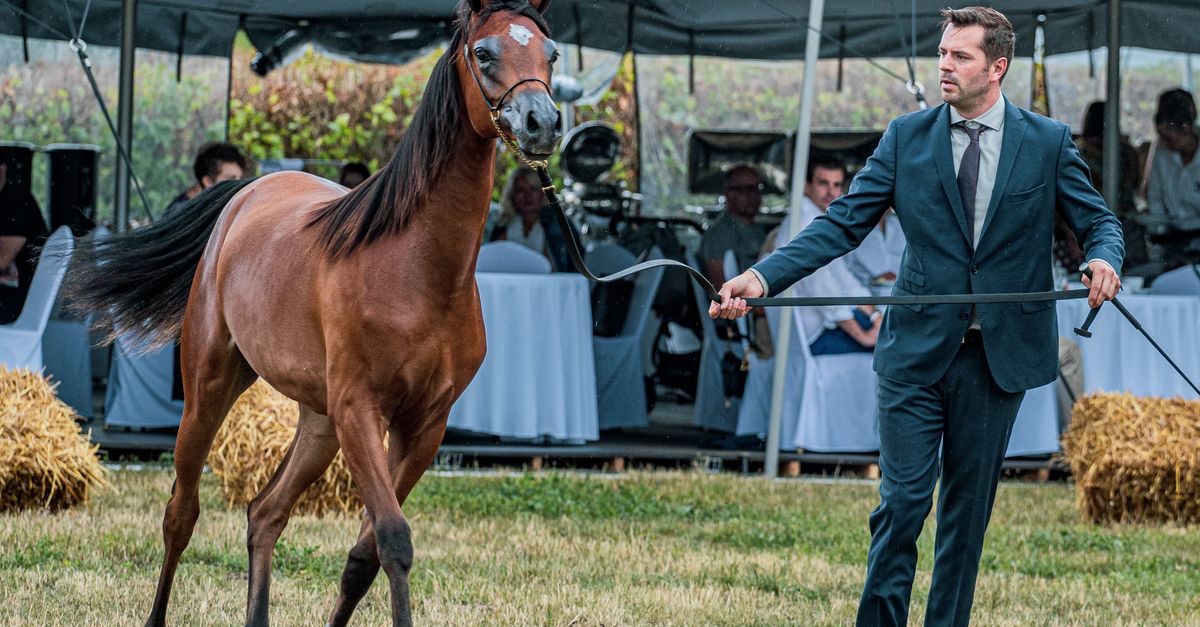
Choosing the right horse breed for ranch work depends on understanding each breed’s strengths and how they perform under real working conditions. The table below compares what types of horse breeds are best suited for ranchwork, highlighting their key traits, typical roles, and suitability for different ranch environments.
Quarter Horse for Ranch Work
The Quarter Horse stands as the gold standard for ranch work across North America. Bred specifically for cattle handling and short-burst speed, this breed combines intelligence, agility, and calm temperament in a compact, muscular frame. Quarter Horses excel at cutting, roping, and trail work-the core tasks on working ranches. Their natural cow sense and quick reflexes make them invaluable for managing livestock in open pasture or tight corrals. Most ranch operations favor this breed because it handles both demanding work and novice riders without complaint.
Quarter Horses typically weigh 1,000 to 1,200 pounds with powerful hindquarters that generate explosive movement. Their low center of gravity lets them stop and turn sharply-essential skills when working cattle. The breed’s calm demeanor means less spooking during rope work or when encountering unexpected obstacles. According to Our Picks for Best Ranching Horses, Quarter Horses remain the most popular choice for working ranches in Texas and the Southwest.
Key strengths for ranch work include:
- Natural cattle instinct and ability to anticipate livestock movement
- Short, powerful bursts of speed for quick pivots and stops
- Steady temperament that remains calm under pressure
- Versatility across multiple ranch tasks-roping, cutting, trail riding
- Strong bone structure that handles rough terrain and demanding work
However, Quarter Horses do require consistent training to maintain their skills. Without regular work, they can develop behavioral issues or lose responsiveness. Some people lack the endurance needed for all-day rides across large ranches, though most handle 6-8 hour work days without difficulty.
A Quarter Horse works best for ranchers who need a reliable, versatile partner for cattle work and general ranch duties. This breed suits both experienced handlers and intermediate riders who want a horse that responds to clear commands. The American Quarter Horse Association maintains detailed breed standards and can connect you with reputable breeders across North America.
Recommended products
Georgie Paws – Henry the Horse | Eco-Friendly Buffalo Suede Dog Toy with Coconut Fibre
Original price was: $39.99.$38.79Current price is: $38.79.Huds and Toke – Horse Bix Carrot 1kg | Natural Training Treats
Original price was: $37.99.$36.85Current price is: $36.85.Huds and Toke – Horse Bix Molasses 1kg | Training Horse Treats
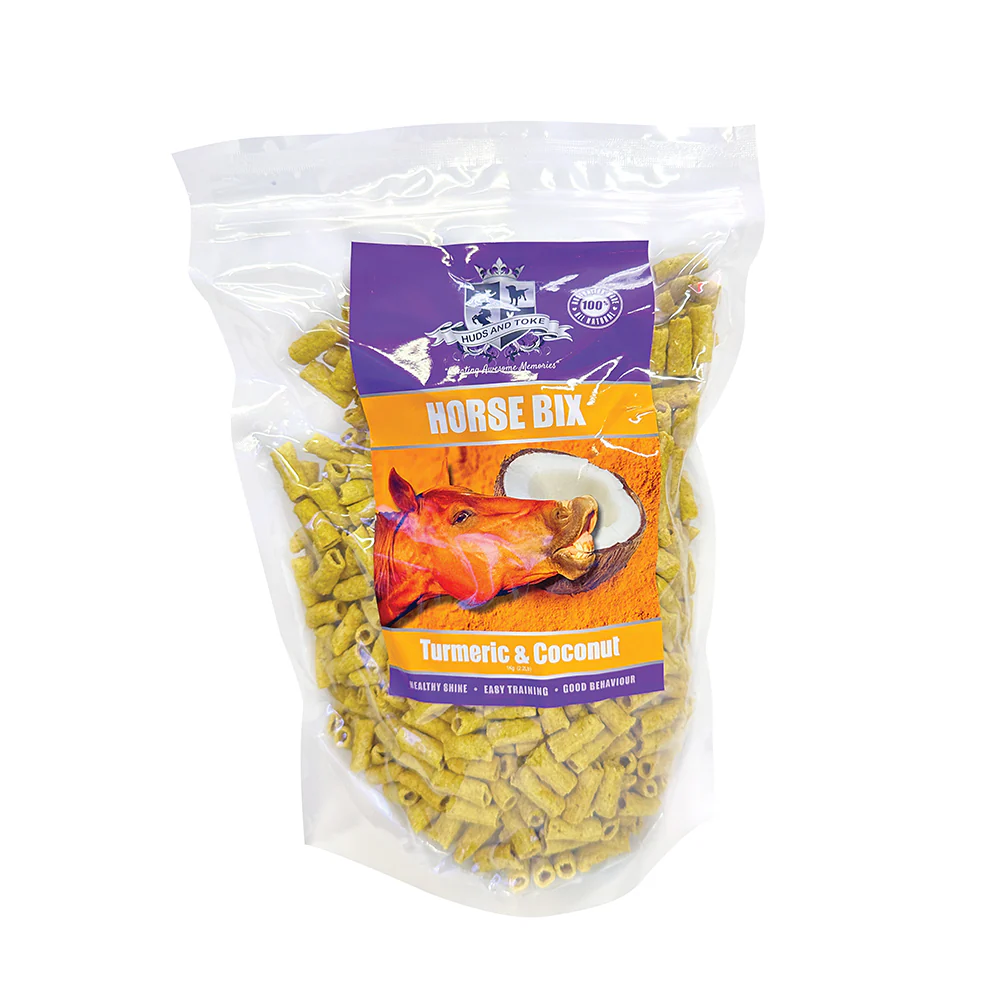
Original price was: $37.99.$36.85Current price is: $36.85.Huds and Toke – Horse Bix Turmeric & Coconut | Functional Training Treats
Original price was: $38.99.$37.82Current price is: $37.82.Huds and Toke – Horse Bix Veggie Sugar Free 1kg | Training Treats
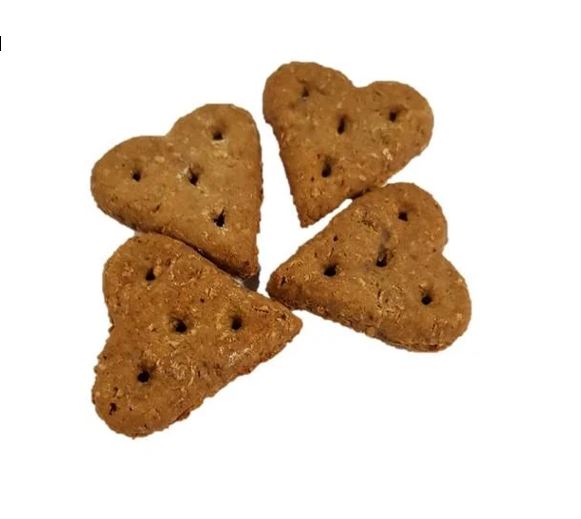
Original price was: $39.99.$38.79Current price is: $38.79.Huds and Toke – Little Love Heart Cookies 1kg | Horse Reward Treats
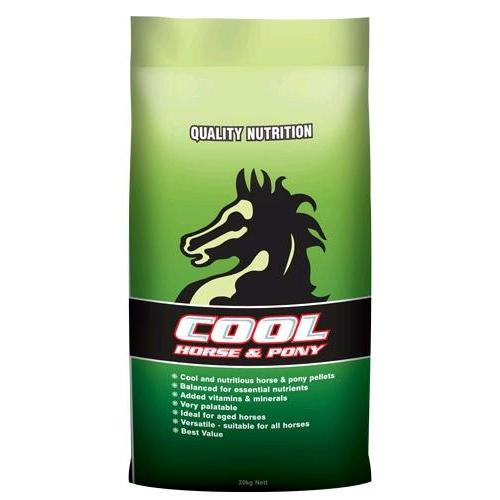
Original price was: $49.99.$48.49Current price is: $48.49.Laucke – Cool Horse & Pony | Pelleted Feed for Horses & Ponies
Original price was: $39.99.$38.79Current price is: $38.79.EAC Animal Care – In-Fibre Psyllium Husks | Natural Fibre for Pets & Horses
Original price was: $49.00.$47.53Current price is: $47.53.Laucke – Equus Total 20kg | Premium All-Round Horse Feed
Original price was: $49.99.$48.49Current price is: $48.49.

American Paint Horse for Versatile Ranching
American Paint Horses are excellent choices for ranch work because they combine strength, intelligence, and calm temperament with natural athleticism. These horses were bred specifically for working cattle and ranch duties across North America. Their distinctive spotted coat patterns make them easy to identify in a herd, and their versatile build handles both short bursts of speed and steady, all-day work. Paint Horses typically stand 14 to 16 hands tall and weigh between 900 and 1,200 pounds, giving them enough power for roping and herding without the bulk of draft breeds.
Paint Horses have a reputation for being willing workers with steady nerves. Ranch hands appreciate their calm disposition when handling cattle or moving across rough terrain. The breed was developed by crossing Spanish colonial horses with American Quarter Horses and other stock horses, resulting in animals that think through problems rather than panic. This intelligence matters when you’re working alone on a large property or dealing with unpredictable livestock situations.
Their natural cow sense-an instinctive ability to anticipate cattle movement-makes them reliable for herding and cutting work. A Paint Horse learns quickly and remembers what you teach it. This saves time during training and reduces frustration during long work days.
Paint Horses excel at the core demands of ranch work. They have strong hindquarters for quick stops and sharp turns needed in roping and cutting. Their legs are sturdy and built for endurance, so they can work from sunrise to sunset without excessive fatigue. According to Our Picks for Best Ranching Horses, Paint Horses rank among the top choices for working ranches across the country.
The breed handles varied terrain well-rocky ground, muddy pastures, and steep hillsides don’t faze them. Their sure-footedness comes from selective breeding for ranch conditions over generations.
Paint Horses require standard horse care: quality hay, grain supplementation, regular hoof trims, and veterinary checkups. However, their spotted coats need extra sun protection because the white patches are prone to sunburn and skin issues. You’ll want to apply sunscreen to exposed pink skin during summer months or provide shelter during peak sun hours.
These horses are hardy and adapt well to different climates, though they perform best in moderate conditions. They’re generally healthy and don’t carry breed-specific genetic problems that plague some other types.
Appaloosa for Rugged Terrain

Appaloosas excel on rocky, uneven ground where their spotted coats are the least of their strengths. These horses were bred by the Nez Perce people in the Pacific Northwest and developed remarkable sure-footedness over challenging terrain. Appaloosas combine intelligence, durability, and natural balance-traits that make them reliable partners for ranch work across varied landscapes.
The breed stands 14 to 15.2 hands tall and weighs 900 to 1,200 pounds. Appaloosas have dense bones and strong hooves built to handle steep hillsides and rocky pastures without constant shoeing. Their muscular hindquarters give them the power to navigate downhill work safely, a critical advantage when moving cattle through canyons or mountainous country.
What sets Appaloosas apart on rough ground is their natural proprioception-an almost instinctive awareness of where their feet land. Ranchers working in the American West report that Appaloosas rarely stumble even when tired. This trait reduces injury risk during long days of cattle work across unforgiving terrain.
Appaloosas typically cost between $3,500 and $35,000 depending on training level and bloodline. A well-broke ranch horse runs closer to $3,500, while a finished roper or trail horse commands $17,500 or more. According to Our Picks for Best Ranching Horses, the breed remains one of the most affordable options for serious ranch work.
The breed does have limitations. Appaloosas can be stubborn and require consistent handling. Their spotted coat pattern, while distinctive, offers no practical advantage-and some ranchers find the eye-catching appearance less professional than solid colors. However, their temperament and work ethic make these minor drawbacks acceptable to most ranch operators.
Appaloosas suit owners who work in mountainous or rocky country and value surefooted reliability over flashy movement. These horses earn their keep on challenging terrain where sure footing matters more than speed.
Mustang for Endurance and Toughness
Mustangs are wild horses that became American icons. They excel at ranch work because they are tough, adaptable, and built to survive harsh conditions. These horses have strong legs, compact frames, and natural intelligence that makes them reliable workers in difficult terrain. Mustangs cost far less than bred ranch horses, which appeals to budget-conscious ranchers. However, they require patient training since they start as untamed animals.
Arabian for Stamina on the Range
Arabians excel at long-distance ranch work because of their exceptional cardiovascular endurance and heat tolerance. These horses can cover vast distances without tiring, making them ideal for sprawling ranches where riders spend entire days checking fences, moving cattle, or patrolling property lines. Their compact, muscular build gives them the strength to handle rough terrain and unpredictable conditions across open land.
Pros and Cons of Each Top Pick

Each horse breed brings different strengths to ranch work. Some excel at herding cattle, while others handle rough terrain better. Understanding the trade-offs helps you pick the right fit for your operation. Quarter Horses dominate ranch work for speed and agility, but they’re pricier than some alternatives. Appaloosas offer durability and sure-footedness, though they may lack the quick acceleration Quarter Horses provide. Mustangs are hardy and low-maintenance, yet they need more training than domesticated breeds. Paints combine athleticism with calm temperament, but finding quality ranch-trained people takes effort. Morgans work well on smaller properties, though their size limits heavy roping applications. Arabians excel at endurance and trail work, though they’re less common for traditional cattle operations.
According to Our Picks for Best Ranching Horses, the most desirable type horse for ranch work balances athleticism with steady temperament. Quarter Horses lead because they were bred specifically for cutting cattle and short bursts of speed. Appaloosas historically served Native American tribes across ranches and rough country. Mustangs represent the toughest option-they survive on sparse forage and handle extreme weather.
The key trade-off: specialized breeds cost more upfront but require less training and veterinary care over their lifetime. A well-trained Quarter Horse costs $17,500 to $35,000, while a Mustang or grade horse runs $3,500 to $5,000. However, the cheaper horse may need 6-12 months of additional breaking and training, adding $2,000-$5,000 in labor costs.
Temperament matters as much as breed. Horse Breeds at Dude Ranches: What You’ll Ride & Why notes that calm, confident horses reduce injury risk for both rider and stock. Nervous or reactive horses spook cattle and create dangerous situations. Appaloosas and Morgans tend toward steadiness, while Thoroughbreds and hot-blooded types require experienced handlers.
Endurance and work capacity separate good ranch horses from great ones. Quarter Horses and Paints can work 8-10 hours daily in heat without breaking down. Arabians push 12+ hours but lack the raw power for heavy roping. Mustangs and Morgans fall in the middle-reliable for moderate workload but not ideal for intense, fast-paced operations.
Size and weight-carrying ability determine what jobs each breed handles best. Larger Quarter Horses and Paints carry 300+ pounds comfortably. Smaller Arabians and Morgans max out around 250 pounds. Draft crosses offer maximum strength but sacrifice agility on tight ranch work.
What to Look For When Buying a Ranch Horse
Buying a ranch horse requires careful attention to temperament, soundness, and work ethic. A good ranch horse needs calm nerves, strong legs, and the ability to handle long days in varied terrain. Look for a horse that responds quickly to commands, stays focused during repetitive tasks, and maintains steady energy throughout the day. The best ranch horses are typically bred for these specific demands, not just any horse that happens to be available.
Start by evaluating the horse’s foundation and training. A well-broke ranch horse should move smoothly at all gaits, respond to light rein and leg pressure. Show no signs of spooking at common ranch obstacles like gates, water crossings, or cattle movement. Check how the horse handles transitions between walk, trot, and lope. Smooth transitions indicate good training and a willing attitude. Ask the seller to show the horse working cattle or navigating obstacles. This reveals how the horse performs under real conditions, not just in an arena.
Soundness matters more on a ranch than anywhere else. Examine the horse’s legs, hooves, and joints closely. Feel for heat, swelling, or sensitivity in the legs and fetlocks. A lame or unsound horse becomes a liability during demanding work. Have a veterinarian perform a pre-purchase exam, including flexion tests and radiographs if needed. This costs money upfront but prevents expensive problems later.
Consider the horse’s size and build. Quarter horses and Appaloosas typically excel at ranch work because their stocky frames and low centers of gravity suit roping, cutting, and long-distance riding. Taller, leaner breeds may struggle with the constant turning and stopping ranch work demands. Look for a horse with a strong hindquarters and good shoulder angle, which enable quick directional changes.
Temperament is non-negotiable. Ride the horse yourself if possible. Does it stay calm around distractions? Does it respond consistently to your aids? A nervous or unpredictable horse creates safety risks and frustration. The best ranch horses are steady, intelligent, and willing to work without constant correction.
Finally, match the horse to your specific needs. Trail-focused ranches need different qualities than cattle-working operations. Ask yourself what tasks dominate your work, then focus on the horse’s skills accordingly.
Frequently Asked Questions
What types of horse breeds are best suited for ranchwork?
Quarter Horses are the most popular choice for ranchwork, bred specifically for cattle handling and short-distance sprints on ranches across North America. According to Our Picks for Best Ranching Horses, Quarter Horses dominate ranch operations due to their intelligence, agility, and calm temperament. Appaloosas and Paints also excel at ranchwork, offering similar athleticism with distinctive spotted or pinto coloring. These breeds combine the strength needed for herding cattle with the quick reflexes required for cutting and roping. Most ranch operations rely on one of these three breeds because they handle the demands of long workdays and varied terrain.
Are Mustangs good for ranch work?
Mustang horses have proven themselves capable ranchwork partners, especially on western ranches where their hardiness and endurance shine. Mustangs were originally bred in the American West and retain natural toughness that makes them suitable for rugged ranch environments. According to Top 5 Most Popular Horse Breeds on a Ranch in Texas, Mustangs rank among the top choices for ranchers seeking economical, low-maintenance options. They require less feed than larger breeds and handle harsh weather well. However, Mustangs need experienced handlers since they can be less predictable than domesticated Quarter Horses or Paints.
What horse breed is best for dude ranches and trail riding?
Morgans and Arabians are popular choices at dude ranches because they combine reliability with a calm, friendly nature that suits inexperienced riders. Horse Breeds at Dude Ranches: What You’ll Ride & Why explains that dude ranches focus on safety and comfort, making sure-footed breeds essential. Quarter Horses also work well at dude ranches due to their steady temperament and willingness to work. These breeds can handle multiple riders daily and varying skill levels without becoming stressed or dangerous. Arabians specifically offer exceptional endurance, allowing longer trail rides without excessive fatigue.
How much does a ranchwork horse typically cost?
Ranchwork horses range widely in price depending on training level and bloodline, from $3,500 for well-broke ranch or trail horses to $35,000 for premium animals with extensive training. According to available market data from ehorses, a well-trained family-safe ranch horse with confidence-building traits costs around $17,500 on average. Young, untrained horses cost much less, while finished roping or cutting horses command premium prices. Most small ranchers purchase horses in the $5,000 to $15,000 range, balancing quality and budget constraints. Prices vary by region, with Texas and western states typically offering more competitive rates than eastern markets.
What characteristics should a ranchwork horse have?
A ranchwork horse needs strength, intelligence, quick reflexes, and calm temperament to handle cattle and varied terrain safely. According to Top 14 Most Popular Horse Breeds in North America, the best ranch horses weigh 900 to 1,200 pounds with compact, muscular frames. They must be sure-footed on uneven ground and responsive to subtle rein cues during cattle work. Temperament matters more than size-a calm horse that doesn’t spook easily prevents accidents and injuries. The ideal ranchwork horse combines athleticism with a willingness to work long hours without excessive fatigue or behavioral problems.