


Last Updated: July 2026
1. How To Bathe A Golden Retriever At Home: A Complete Guide
Bathing a golden retriever at home requires patience, the right supplies, and a calm approach to keep your dog comfortable and clean. Golden retrievers have thick double coats that trap dirt and oils, making regular baths essential for their health and appearance. This section covers the complete process, from preparation through drying, so you can bathe your retriever safely and effectively without professional grooming costs.
Why Home Bathing Matters for Golden Retrievers
Golden retrievers need bathing every 4 to 12 weeks depending on activity level and coat condition. Dog grooming refers to the hygienic care of a dog, a process by which a dog’s physical appearance is altered or enhanced. Bathing removes loose fur, reduces odour. Prevents skin infections in dogs with dense coats. Home bathing also lets you monitor your dog’s skin for lumps, rashes, or other health concerns while saving money on professional grooming fees.
Essential Supplies You Will Need
Gather these items before starting the bath:
- Dog shampoo formulated for golden retrievers (pH-balanced for their coat)
- Warm water and a hose or shower attachment
- Non-slip mat for the tub or wash area
- Towels (multiple, as golden retrievers shed water heavily)
- Brush or comb for detangling wet fur
- Cotton balls to protect ears from water
- Treats for positive reinforcement
Having everything within arm’s reach prevents leaving your dog unattended mid-bath. According to grooming guidance from the American Kennel Club, preparation is the first step to a stress-free bathing experience.
Step-by-Step Bathing Process
Start by brushing your retriever thoroughly to remove mats and loose fur before water touches the coat. Place cotton balls gently in each ear to block water. Use lukewarm water (not hot) and wet the coat from neck to tail, avoiding the face. Apply shampoo and work it through the entire coat with your fingers, paying attention to the undercoat where dirt accumulates. Rinse completely until water runs clear-residual shampoo causes itching and skin irritation.
For the face, use a damp cloth rather than spraying water directly. This prevents water from entering the nose or eyes, which causes stress. Rinse the cloth frequently to avoid spreading soap.
Drying Your Golden Retriever
Squeeze excess water gently from the coat using your hands. Wrap your retriever in towels and allow them to shake naturally-this removes significant moisture. Towel-dry thoroughly, then use a high-velocity dryer or regular hair dryer on a cool setting if your dog tolerates it. Bathing guidance suggests allowing time for air drying to prevent overheating and stress.
Never leave a wet golden retriever outside in cold weather, as their coat takes hours to dry completely. Reward your dog with treats and praise throughout the process to build positive associations with bathing.
Key Takeaways
- How To Bathe A Golden Retriever At Home requires proper preparation, the right tools, and a calm approach to keep your dog comfortable and clean.
- Golden retrievers need bathing every 4-6 weeks to maintain coat health, though frequency depends on activity level and skin condition.
- Warm water, a non-slip mat, and dog-specific shampoo are essential; human products and cold water can irritate their skin and coat.
Table of Contents
- 1. How To Bathe A Golden Retriever At Home: A Complete Guide
- 2. Preparing Your Golden Retriever For Bathing At Home
- 3. Essential Supplies And Equipment For Bathing Your Golden Retriever
- 4. How To Bathe A Golden Retriever At Home: Step-By-Step Process
- 5. Drying And Post-Bath Care For Your Golden Retriever
- 6. Frequency And Maintenance: How Often To Bathe A Golden Retriever
- 7. Common Bathing Challenges And Solutions
2. Preparing Your Golden Retriever For Bathing At Home
Preparing your golden retriever for bathing at home requires gathering supplies, choosing the right location, and acclimating your dog to water. Golden retrievers have thick double coats that shed year-round, so proper preparation prevents matting and makes the bathing process smoother for both you and your dog. This section covers the essential steps to set up a stress-free bathing environment and get your retriever ready for wash day.
Gather Your Bathing Supplies
Before you bathe your golden retriever, assemble all necessary items within arm’s reach. Running back and forth mid-bath wastes time and leaves your dog standing alone in water, which increases anxiety. According to the American Kennel Club, proper grooming tools make bathing easier and protect your dog’s coat.
Stock these items before starting:
- Dog shampoo formulated for golden retrievers (pH-balanced for their coat)
- Conditioner to prevent matting in their thick fur
- Towels (at least three large ones)
- Non-slip bath mat for the tub floor
- Brush or slicker brush for pre-bath grooming
- Washcloth or sponge for gentle face cleaning
- Spray nozzle or cup for rinsing
- Treats for positive reinforcement
Keep everything on a small table next to your bathing area. This setup prevents you from leaving your dog unattended while searching for supplies.
Choose the Right Bathing Location
Golden retrievers are large dogs, so selecting an appropriate space matters. A standard bathroom tub works, though many owners find an outdoor garden hose easier for rinsing a full-sized retriever. Outdoor bathing reduces water damage and gives your dog more room to move comfortably.
If using an indoor tub, place a non-slip mat on the bottom to prevent your dog from sliding. Cold tile floors stress anxious dogs, so warm water and a padded surface help. For outdoor bathing, choose a calm area away from distractions and ensure water temperature is lukewarm, not cold.
Brush Your Golden Before Wetting
Brushing removes loose hair, mats, and tangles before water hits the coat. Wet matted fur becomes harder to untangle and can trap moisture against the skin, causing irritation. Spend 5-10 minutes brushing your retriever’s entire body using a slicker brush or undercoat rake.
Pay special attention to areas behind the ears, under the legs, and around the tail-these spots tangle easily. A pre-bath brush session also reduces the amount of loose hair that clogs your drain.
Introduce Your Puppy or Anxious Dog to Water Gradually
If your golden retriever puppy has never bathed before, start with short, positive experiences. Let your retriever puppy walk through shallow water on their own terms rather than forcing them in. Reward calm behaviour with treats and praise.
For anxious dogs, consider desensitisation over several days: first let them stand in an empty tub, then add shallow water, then gradually increase depth. Never rush this process, as early bathing experiences shape your dog’s attitude toward future baths.
3. Essential Supplies And Equipment For Bathing Your Golden Retriever

Bathing a golden retriever at home requires specific tools and products to keep your dog safe, comfortable, and clean. You will need a non-slip surface, dog-specific shampoo, towels, a brush, and a way to rinse thoroughly. Having the right equipment on hand makes the process faster and less stressful for both you and your retriever. This section covers everything you should gather before you start.
Choosing The Right Bathing Location And Tub
Your bathing space matters more than most owners realize. A standard bathtub works well, though some people prefer a large plastic tub or outdoor basin during warm months. The key is finding a surface where your golden retriever can stand without slipping. Non-slip mats or rubber strips prevent your dog from panicking when its paws slide around. Outdoor bathing is popular in Australia during summer because it reduces water mess inside the house and gives your retriever room to shake without soaking your bathroom. Whatever location you choose, ensure the water temperature stays lukewarm-never hot or cold. Test the water on your inner wrist before letting your dog enter, just as you would for a baby.
Essential Grooming And Cleaning Tools
You will need several tools to bathe your golden retriever properly. A grooming brush removes loose fur and mats before bathing, which prevents clogs and makes washing easier. A dog-specific shampoo is non-negotiable because human shampoo damages the coat and skin. Consider a handheld shower head or a bucket for rinsing, as these give you better control than a fixed showerhead. A grooming glove or soft-bristled brush helps distribute shampoo evenly across the coat. Dog grooming refers to the hygienic care of a dog, a process by which a dog’s physical appearance is altered or enhanced. According to the American Kennel Club, proper grooming tools prevent matting and skin irritation in golden retrievers.
Towels And Drying Equipment
Golden retrievers have thick double coats that hold water, so you will need multiple absorbent towels. Microfibre towels work better than standard cotton because they absorb moisture faster and reduce drying time. Some owners invest in a pet dryer, though a regular hair dryer on low heat works if you keep it moving and maintain safe distance. Never use high heat, which can burn sensitive skin. Have at least three towels ready before you start-one for initial drying, one for secondary drying, and one backup. Towel-drying thoroughly reduces the time your retriever spends uncomfortable and wet.
Additional Supplies Worth Having
Keep a washcloth or small towel handy for your dog’s face, since water in the eyes or ears causes discomfort. Cotton balls inserted gently into the ear canal protect against water entry. A non-slip collar or harness helps you control your dog safely during the bath. Treats placed nearby reward calm behaviour and make future baths easier. A drain strainer catches loose fur so it does not clog your pipes. Having everything within arm’s reach before starting means you never leave your dog unattended to fetch something.
4. How To Bathe A Golden Retriever At Home: Step-By-Step Process
Bathing a golden retriever at home requires preparation, the right tools, and a calm approach to keep your dog comfortable and clean. The process involves gathering supplies, preparing your dog’s coat, controlling water temperature, applying shampoo correctly, and drying thoroughly. Following a structured method helps prevent stress for both you and your retriever while ensuring a thorough clean. This section walks through each stage so you can bathe your golden confidently.
Prepare Your Space and Supplies
Your bathing area needs to be safe, warm, and equipped with everything you need within arm’s reach. A large tub, walk-in shower, or outdoor enclosure works well for golden retrievers. Keep the floor non-slip by laying down a rubber mat or towel. Gather all supplies before you start: dog shampoo formulated for golden coats, a washcloth, several towels, a brush, and treats for positive reinforcement. Some owners use a grooming table with a tub attachment for easier access, though a standard bathtub works fine. Having everything ready means you won’t leave your dog unattended mid-bath.
Brush Your Dog Thoroughly First
Brushing removes loose fur and mats before water touches the coat. Work through your golden’s entire body with a slicker brush or undercoat rake, paying special attention to behind the ears, under the legs, and the tail. Wet fur mats more easily, so this step prevents painful tangles later. A golden retriever’s double coat sheds heavily, and pre-bath brushing reduces the amount of loose hair that clogs your drain. According to grooming experts, thorough brushing before bathing improves water penetration and shampoo effectiveness.
Control Water Temperature and Flow
Use lukewarm water-around 37 to 38 degrees Celsius-to avoid shocking your dog or causing discomfort. Test the temperature on your wrist first. Start wetting your dog from the chest and work backwards, avoiding the face and ears initially. Use a handheld showerhead or pitcher to control water flow. Keep pressure gentle so your golden doesn’t feel threatened. Sudden cold water or high pressure often causes dogs to panic and resist future baths.
Apply Shampoo Correctly
Wet your dog’s entire body, then pour shampoo into your palm and work it into the coat with your fingers. Massage thoroughly into the undercoat, not just the top layer. Pay attention to the legs, paws, belly, and hindquarters where dirt accumulates. Avoid getting shampoo in the eyes and ears. Bathing guidance emphasises gentle circular motions rather than scrubbing, which protects the skin underneath. Rinse completely with clean, lukewarm water until no soap residue remains.
Dry Your Golden Thoroughly
Use towels first to absorb excess water, then a pet dryer on a low setting if your dog tolerates it. Thorough drying prevents skin irritation and reduces odour. Brush your golden’s coat while it dries to prevent matting and remove remaining loose fur. Allow at least 30 minutes of drying time, especially in cooler weather. Reward your dog with treats and praise throughout the process to build positive associations with bath time.
5. Drying And Post-Bath Care For Your Golden Retriever
Drying your golden retriever properly after a bath prevents skin irritation, matting, and fungal growth in the thick double coat. The drying phase is as important as the wash itself because moisture trapped in the undercoat creates an ideal environment for yeast and bacterial infections. Proper post-bath care also sets up your retriever’s coat for easier brushing and better long-term health.
Towel Drying Techniques
Start towel drying immediately after rinsing all shampoo away. Pat your golden retriever down with a large, absorbent towel rather than rubbing, which can tangle the wet coat and cause matting. Work from the head down toward the tail, gently squeezing water out of each section. Pay special attention to the ears, chest, and hindquarters where moisture pools most easily.
Use multiple towels if needed. One towel often becomes saturated quickly, especially with a golden retriever’s thick double coat. Change to a fresh, dry towel and repeat the process. Many owners find microfibre towels work better than standard cotton because they absorb water faster without creating friction that damages the coat.
Heat Drying With A Dog Dryer
After towel drying, use a dog-specific dryer on a low to medium heat setting. Never use a human hair dryer because the temperature can burn sensitive skin and stress your retriever. A high-velocity dryer or stand dryer designed for dogs works well. Keep the dryer at least 15 centimetres away from the skin and keep it moving to avoid concentrating heat in one spot.
Direct the airflow against the grain of the coat to separate the undercoat and remove trapped moisture. This step takes patience but prevents mould and mildew from developing. If your golden retriever dislikes the noise, introduce the dryer gradually over several baths so they become accustomed to it.
Brush And Comb After Drying
Once your retriever is completely dry, brush through the entire coat with a slicker brush or undercoat rake. Drying loosens dead hair and undercoat, so brushing now removes it before it sheds around your home. Work through the coat in sections, paying attention to areas behind the ears, the tail, and the back legs where mats form most often.
Brush gently and check for any skin issues, lumps, or irritation you may have missed during the bath. This inspection helps catch problems early.
Post-Bath Comfort And Rest
Allow your golden retriever to rest in a warm, dry area after bathing. Avoid letting them go outside into cold or damp weather immediately after drying. Sudden temperature changes can stress their system. Keep them indoors for at least one to two hours so their coat fully settles and their body temperature stabilises.
Offer fresh water and a light treat if they seem anxious about the bathing process. Positive reinforcement after baths encourages cooperation during future grooming sessions.
6. Frequency And Maintenance: How Often To Bathe A Golden Retriever
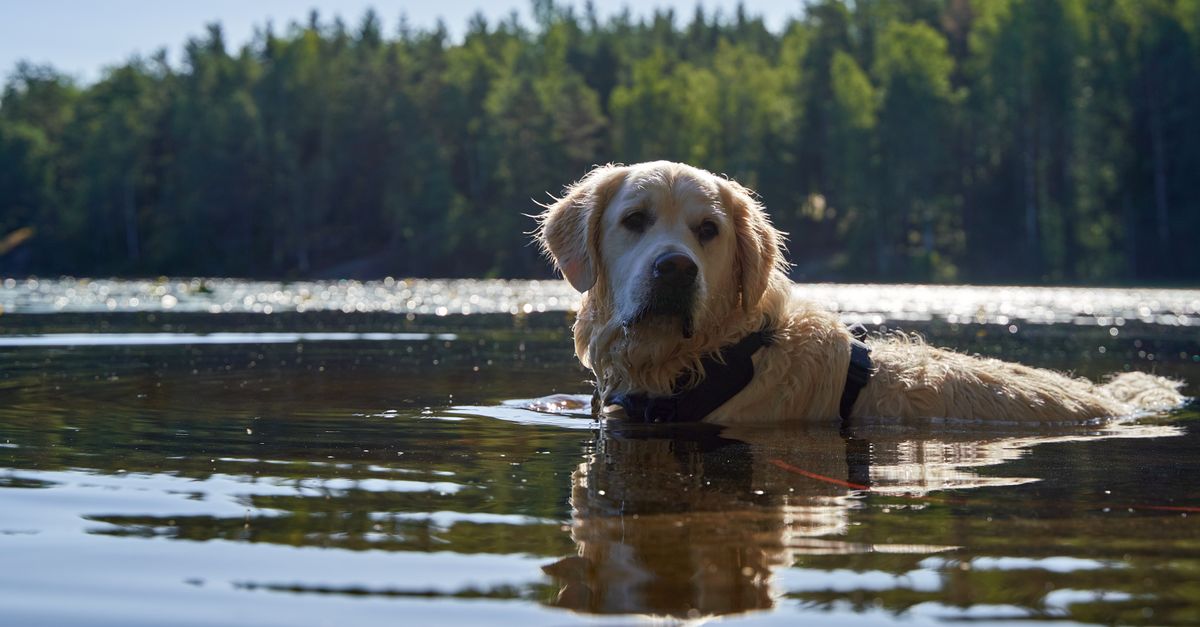
Golden retrievers need bathing every 4 to 12 weeks, depending on their activity level and coat condition. Most owners find that bathing every 6 to 8 weeks strikes the right balance between keeping the coat clean and preserving natural oils that protect the skin. Bathing too often strips these oils away, leading to dry, itchy skin and a dull coat. The frequency also depends on whether your golden spends time in water, mud, or has skin sensitivities.
Understanding Your Golden’s Coat Needs
A golden retriever’s double coat is both insulation and protection from the elements. The undercoat sheds year-round and heavily during seasonal coat blows. Frequent bathing during these periods actually helps remove loose fur before it ends up on your furniture and clothes. However, bathing between heavy shedding seasons should be less frequent to avoid stripping essential oils. Dog grooming refers to the hygienic care of a dog, a process by which a dog’s physical appearance is altered or enhanced. For golden retrievers this means understanding their unique coat structure.
Activity level makes a real difference in bathing schedules. A golden that swims regularly or plays outdoors in wet conditions will need more frequent baths than one that stays mostly indoors. Dogs that spend time at dog parks or in muddy areas accumulate dirt faster. Some owners bathe their goldens weekly during summer months when outdoor activity peaks, then drop to monthly or less frequent baths in winter.
Seasonal Bathing Adjustments
Spring and autumn bring the heaviest shedding periods for golden retrievers. During these seasons, more frequent bathing-every 2 to 3 weeks-helps manage the undercoat and reduces shedding around the home. Winter bathing should happen less often, perhaps every 8 to 12 weeks, since goldens are less active and their coats naturally produce more protective oils in cold weather. Summer activity levels typically call for bathing every 4 to 6 weeks.
7. Common Bathing Challenges And Solutions
Bathing a golden retriever at home presents several obstacles that owners frequently encounter, from water resistance to coat matting and anxiety. Understanding these challenges and learning practical solutions helps you create a calmer, more effective bathing experience for your dog. Most golden retrievers have a water-resistant double coat. This means water beads off rather than soaking through to the skin, making thorough rinsing difficult. also, their size and strength can make handling them in a tub challenging, and many dogs develop stress around bathing that compounds with each session.
Summary and Next Steps
Bathing your golden retriever at home requires planning, patience, and the right supplies. The process involves preparing your dog and space, using warm water and dog-specific shampoo, working through each section of the coat methodically, and finishing with thorough drying. Most golden retrievers need a bath every four to six weeks, though this varies based on activity level and coat condition. Consistency matters more than frequency-regular bathing keeps the coat healthy and reduces matting. But over-bathing can strip natural oils from the skin.
[…] show very light bleeding that owners miss entirely. Age also matters. Older females may cycle less often and with weaker […]
[…] Related: expert […]
[…] wash, blow-dry, nail trim, ear clean, and breed-specific styling. For heavily shedding dogs like Golden Retrievers or Huskies, a de-shed treatment can make a real difference at home between appointments. According […]