

Hikari
Showing 1–16 of 18 results
-

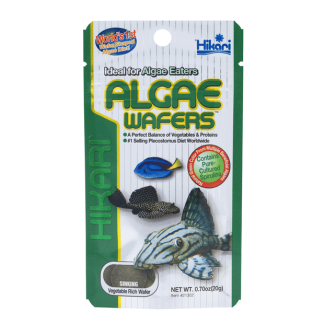
Hikari Algae Wafers – Premium Pleco Food – Algae Eater Nutrition for Bottom Feeders – Mindiampets
Price range: $28.99 through $129.99 Select options This product has multiple variants. The options may be chosen on the product page -
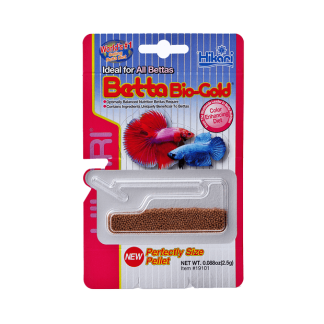
Hikari Betta Bio-Gold – Floating Pellets for Vibrant Colour & Betta Health – Mindiampets.com.au
Price range: $26.99 through $29.99 Select options This product has multiple variants. The options may be chosen on the product page -
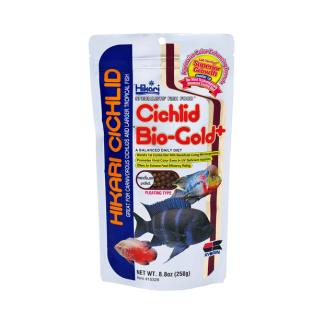
Hikari Cichlid Bio-Gold Plus – Colour Enhancing Floating Pellets for Carnivorous Cichlids
Sale! Price range: $27.00 through $41.00 Select options This product has multiple variants. The options may be chosen on the product page -
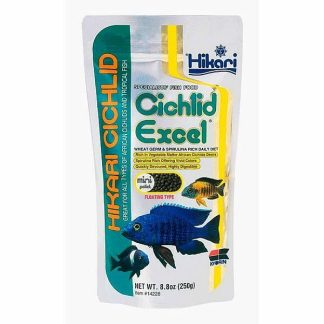
Hikari Cichlid Excel – Spirulina Pellets for Herbivorous Cichlids | Mini & Medium Sizes
Price range: $32.99 through $45.99 Select options This product has multiple variants. The options may be chosen on the product page -
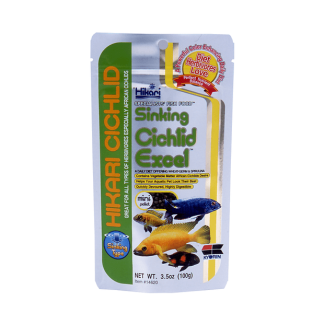
Hikari Cichlid Excel Sinking – Spirulina Pellets for Bottom-Feeding Herbivorous Cichlids – Mini 100g & 342g
Sale! Price range: $28.00 through $47.00 Select options This product has multiple variants. The options may be chosen on the product page -
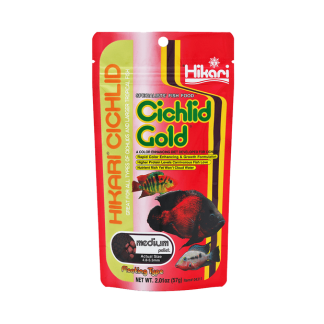
Hikari Cichlid Gold – Colour Enhancing Floating Pellets for Carnivorous Cichlids (Baby, Mini, Medium, Large)
Sale! Price range: $32.99 through $36.99 Select options This product has multiple variants. The options may be chosen on the product page -
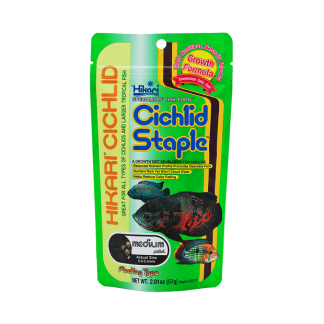
Hikari Cichlid Staple – Daily Growth Pellets for Cichlids & Large Tropical Fish (Baby to Large Sizes) – Natural Ingredients
Price range: $29.99 through $35.99 Select options This product has multiple variants. The options may be chosen on the product page -
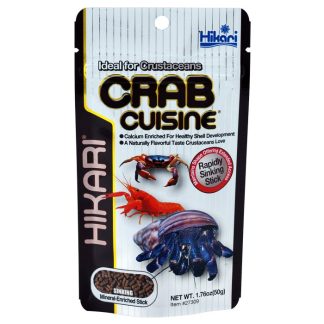
Hikari Crab Cuisine – Calcium-Rich Food for Crabs, Hermit Crabs & Crustaceans – Shell Growth & Immune Support – Mindiampets.com.au
Sale! Original price was: $32.99.$27.99Current price is: $27.99. Add to cart -
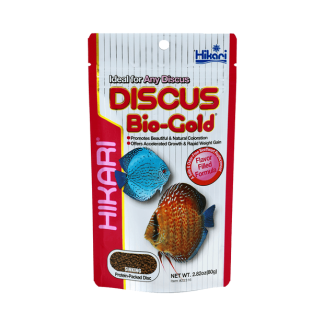
Hikari Discus Bio-Gold – High-Protein Sinking Granules for Finicky Discus Fish – Fast Acceptance Formula
Sale! Original price was: $49.99.$41.99Current price is: $41.99. Add to cart -
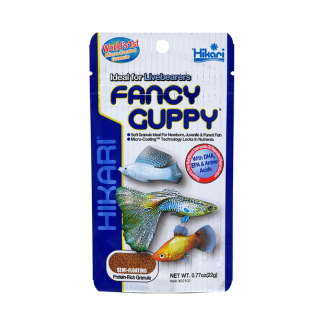
Hikari Fancy Guppy – Floating Granules for Guppies & Livebearers
Sale! Original price was: $39.99.$32.99Current price is: $32.99. Add to cart -
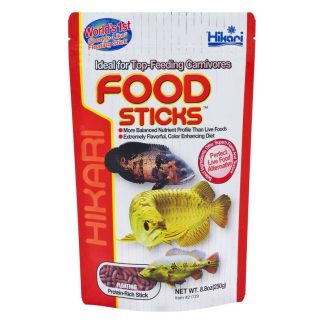
Hikari Food Sticks – Floating Diet for Top-Feeding Carnivorous Fish
Sale! Original price was: $39.88.$32.99Current price is: $32.99. Add to cart -
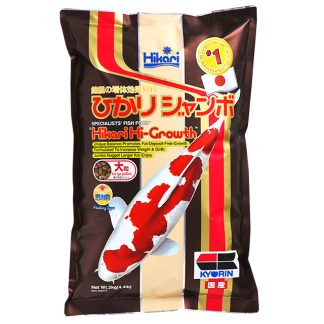
Hikari Hi-Growth Pellets – Premium Summer Diet for Champion Koi
Sale! Original price was: $109.99.$99.99Current price is: $99.99. Add to cart -
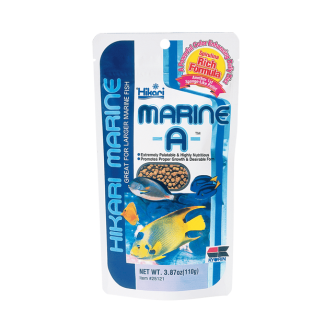
Hikari Marine A – Floating Marine Fish Food with Natural Colour Enhancers & Reef-Simulating Texture – Ideal Daily Diet
Sale! Original price was: $49.99.$43.99Current price is: $43.99. Add to cart -
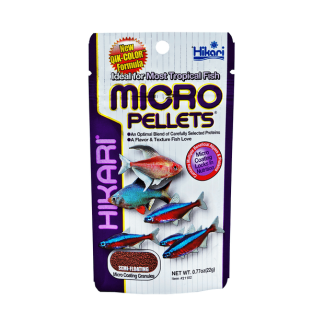
Hikari Micro Pellets – Advanced Nutrition for Small Tropical Fish
Sale! Price range: $32.99 through $41.99 Select options This product has multiple variants. The options may be chosen on the product page -
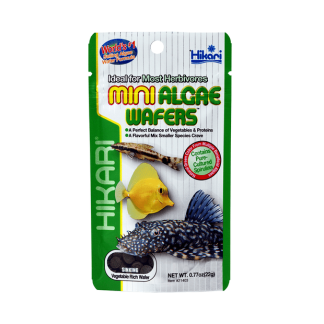
Hikari Mini Algae Wafers – Small Disc Food for Plecos, Bristlenose & Algae Eaters – Mindiampets
Price range: $29.99 through $37.99 Select options This product has multiple variants. The options may be chosen on the product page -
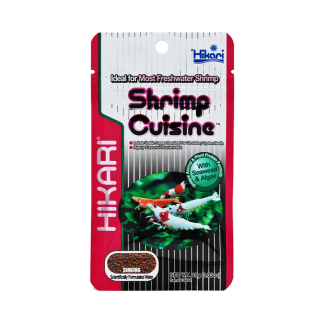
Hikari Shrimp Cuisine – Spirulina Food for Freshwater Shrimp
Sale! Original price was: $38.99.$31.99Current price is: $31.99. Add to cart
Showing 1–16 of 18 results
Hikari In Australia – Premium Japanese Fish Food For Koi, Goldfish And Aquarium Fish
Hikari is one of Japan’s best known aquatic nutrition brands, created by Kyorin Food Industries after more than a century of koi and ornamental fish breeding experience. The range covers specialist diets for koi, goldfish, community tropical fish, cichlids, marine fish, shrimp and even reptiles. Each formula is designed to meet the real nutritional needs of your fish while supporting colour, growth, health and water quality when used as directed.
On an Australian site like Mindiampets, Hikari can be positioned as the premium standard for serious hobbyists, pond keepers and families who want proven, research driven diets for their koi ponds, aquariums and nano tanks.
The Hikari Brand Story
Hikari grew out of the Kamihata family’s koi carp cultivation in Japan, which dates back to the late 1800s. Over decades of breeding koi and goldfish, the company learned how diet influences colour, growth, shape and longevity. That knowledge evolved into a line of specialised foods under the Hikari name, manufactured by Kyorin Food Industries.
Today, Hikari is a recognised leader in aquatic nutrition, offering species specific diets and advanced formulas for koi shows, high density aquarium systems and home tanks. The brand controls the full production process, from ingredient selection to finished pellets, to deliver consistent quality and traceability.
Japanese brand built on generations of koi and goldfish breeding
Species and goal specific diets for koi, goldfish, tropical, marine and shrimp
Focus on digestibility, stable water quality and visible results
Premium ingredients with strict quality control and batch traceability
Trusted by hobbyists, retailers and professional breeders worldwide
Hikari Diets For Australian Ponds And Aquariums
Hikari’s range is broad, so it helps to organise it by use: ponds, community aquariums, specialist fish and invertebrates.
Koi And Pond Diets
For koi and pond fish, Hikari offers daily feeds and specialised performance diets.
Staple diets – everyday floating pellets that support sound growth and health for koi and pond goldfish.
Colour enhancing diets – formulas with colour boosting ingredients to support reds and other pigments, often used in show koi.
Wheat germ and seasonal diets – easily digestible foods for cooler water and shoulder seasons.
Saki-Hikari – advanced probiotic diets used by top koi breeders for growth, colour and body shape.
Goldfish And Fancy Goldfish Diets
Hikari also makes targeted diets for fancy goldfish and smaller pond or bowl fish.
Floating pellets for common and comet goldfish
Sinking diets for fancy varieties that are prone to buoyancy issues
Specialised lionhead and headgrowth formulas
Carefully balanced protein and energy levels to support shape and fin form
Tropical Community And Cichlid Diets
In Australian aquariums, Hikari is widely known for its tropical and cichlid ranges.
Tropical flakes and pellets – complete diets for community fish such as tetras, barbs, rasboras and gouramis.
Algae wafers and mini algae wafers – sinking wafers for Plecos and other algae eaters.
Cichlid Gold and Cichlid Excel – floating and sinking pellets for African and American cichlids, including herbivores and omnivores.
Food Sticks and Carnivore diets – sinking or floating sticks for arowana, catfish and other predatory fish.
Marine, Shrimp And Specialty Diets
For more specialised setups:
Marine pellets for reef safe fish and community marine species
Shrimp Cuisine and crustacean foods for dwarf shrimp and small crayfish
Bottom feeder and sinking wafers for loaches, Corydoras and other scavengers
Reptile and turtle diets for aquatic reptiles in mixed collections
Why Hikari Suits Australian Fishkeepers
Australia has a strong aquarium and pond culture. From backyard koi ponds and goldfish water features to community aquariums in apartments, many households rely on prepared foods for day-to-day feeding.
High quality, digestible diets help maintain water clarity in hot climates where waste builds quickly.
Specialist formulas support koi shows, aquascaped planted tanks and high bio-load community aquariums.
Sinking and floating options fit both outdoor ponds and indoor tanks.
Hikari is widely stocked by Australian aquarium stores and online retailers, making re-ordering easy.
Clear feeding guidelines help new hobbyists avoid overfeeding and water quality issues.
Hikari Across Australian States And Cities
New South Wales And ACT
In Sydney, Newcastle, Wollongong and Canberra, many keepers run community tanks, nano shrimp setups and balcony ponds. Hikari’s tropical pellets, algae wafers and shrimp foods fit these compact systems and help maintain good water quality in apartments and townhouses.
Victoria And Tasmania
Melbourne, Geelong, Ballarat and Hobart have strong planted tank and goldfish communities. Seasonal koi and pond diets, sinking goldfish foods and algae wafers suit temperate climates and help fish cope with cooler winters and warmer summers.
Queensland And Northern Territory
In Brisbane, Gold Coast, Townsville, Cairns and Darwin, warm temperatures drive rapid metabolism and faster feeding. Highly digestible Hikari diets and careful portion control help manage waste in high temperature ponds and indoor tanks.
Western Australia And South Australia
Perth, Adelaide and regional towns feature pond koi, large American cichlids and marine systems. Hikari cichlid diets, Saki-Hikari koi foods and marine pellets support bright colour, strong growth and stable water quality in these demanding setups.
Expert Insight On Nutrition And Water Quality
“In ponds and aquariums, food is one of the biggest levers we have. A high quality, species appropriate diet supports growth, colour and immune function, but it also has a direct impact on water quality. Well formulated pellets like Hikari can reduce uneaten waste and make it easier to maintain stable, healthy conditions for fish.”
Dr Jay Rollings (BSc DVM)
How To Choose The Right Hikari Diet For Your Fish
A simple process helps Australian fishkeepers match Hikari foods to their tanks and ponds.
Identify your species – list the main fish in your system: koi, fancy goldfish, tropical community fish, cichlids, shrimp, marine fish or others.
Check feeding level – note whether they are herbivores, omnivores or carnivores, and look for Hikari formulas labelled for that feeding type.
Choose floating or sinking – koi and many cichlids do well on floating pellets, while bottom feeders, fancy goldfish and shy fish often prefer sinking foods.
Set your goal – decide whether you want general maintenance, colour improvement, growth for young fish or seasonal support and choose Hikari ranges that match those goals.
Match pellet size – select a pellet size that fits comfortably in your fish’s mouth. Small fish and shrimp need fine granules, large koi and cichlids can handle bigger pellets.
Start with small portions – feed only what fish will eat in a few minutes and adjust based on body condition and water quality tests.
Monitor results – watch colour, growth, activity and water clarity over several weeks and fine tune diets if needed.
Hikari Brand FAQs
What is Hikari fish food?
Hikari is a Japanese brand of premium aquatic diets developed by Kyorin Food Industries. The range includes foods for koi, goldfish, tropical community fish, cichlids, marine fish, shrimp and some reptiles, with formulas tailored to each group’s needs.
Why do many hobbyists choose Hikari for koi and goldfish?
Hikari diets are based on long experience with koi and goldfish breeding. Many keepers choose them for their consistent ingredients, digestibility, colour and growth performance, and the way they support water quality when fed correctly.
Is Hikari suitable for Australian tap water and climate?
Yes. While water chemistry varies between states, Hikari foods are used successfully across Australia in ponds and aquariums. Because they are highly digestible, they can help limit waste in warm conditions where water quality can change quickly.
How often should I feed Hikari pellets?
Most fish do well with small feeds once to several times per day, depending on species, age and temperature. In warmer water, fish need more frequent, smaller feeds. In cooler conditions, metabolism slows and feeding should be reduced. Always follow the directions on the pack and monitor water quality.
Can I mix different Hikari diets?
Many hobbyists mix compatible Hikari diets to target multiple goals, such as growth and colour. When you combine foods, keep total portions moderate and avoid overfeeding. Testing water and watching fish condition is key.
Keyword Groups By Search Intent – Hikari Fish Food Australia
Commercial Intent Keywords
hikari fish food australia
hikari koi food pellets
hikari goldfish food sinking
hikari cichlid gold pellets
hikari algae wafers for plecos
hikari shrimp cuisine food
Transactional Intent Keywords
buy hikari fish food online
hikari saki koi food 2kg
hikari tropical vibra bites australia
hikari algae wafers 250g bulk
hikari cichlid excel medium pellet
Informational Intent Keywords
which hikari food is best for koi
how often to feed hikari pellets
difference between hikari cichlid gold and excel
does hikari fish food improve colour
how to choose sinking vs floating hikari food
Research Driven Outline For This Hikari Brand Page
This Hikari landing page is structured to:
Introduce Hikari as a Japanese brand with deep koi and goldfish breeding roots
Explain the main product families: koi and pond, goldfish, tropical, cichlid, marine and shrimp diets
Connect diet choice to Australian climates, tap water and fishkeeping styles
Provide a clear selection process for matching foods to species, feeding type and goals
Answer common questions about feeding frequency, mixing diets and water quality
Group target keywords by commercial, transactional and informational intent for SEO, NLP and AI search optimisation